Song Meaning
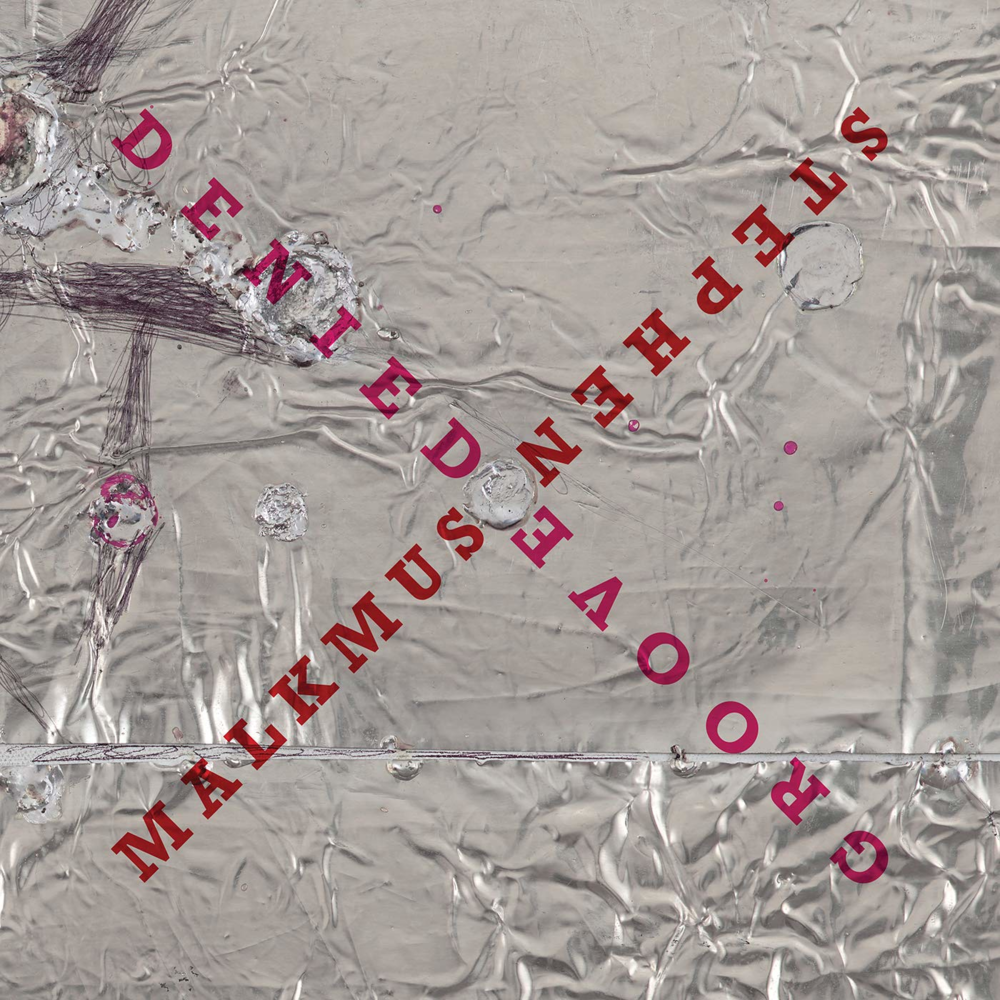
{"song_id": 14330961, "meaning": "Stephen Malkmus, the poet laureate of indie rock ennui, returns with \"Love the Door,\" a track that feels like a casually profound conversation overheard at a dimly lit bar. The song's meaning, as is typical for Malkmus, isn't delivered on a silver platter; it's scattered like lyrical breadcrumbs, inviting the listener to piece together a fragmented narrative of acceptance and disillusionment. The opening lines, 'All the right commitments / I will never have a good thing / Until you love the door,' suggest a conditional happiness, hinging on embracing limitations or perhaps even the exits available. It's a sentiment that resonates with anyone who's ever felt trapped by expectations or the weight of unfulfilled potential. Malkmus seems to be hinting that true contentment lies not in chasing some idealized future, but in finding solace within the present constraints.
The lyrics hint at a relationship dynamic, possibly romantic, where the speaker grapples with the other person's perceived shortcomings. The line, 'I'd rather look around your heart / To see what I can find to make due / You're 70 and poor,' is both brutally honest and strangely tender. It speaks to a willingness to accept flaws and make the best of a less-than-perfect situation. This acceptance, however, is tinged with a melancholic awareness of the other person's vulnerability. The reference to 'People crawl apart in stages' further underscores the theme of impermanence and the inevitability of decay in relationships.
The latter half of \"Love the Door\" takes on a more abstract quality, with lines like 'Everyone imagine if you got the pledge against you / Run up and take the fall.' It's unclear exactly what 'the pledge' refers to, but it evokes a sense of being ostracized or held accountable for something. This feeling of being an outsider, of not quite fitting in, is a recurring motif in Malkmus's work. The closing lines, 'I'll take a vote, no time for me / I'll never see for what you are / To see the floor, to see the floor,' suggest a resignation to being misunderstood. The repetition of 'to see the floor' could symbolize a grounding, a forced confrontation with reality, or perhaps a feeling of being knocked down. Ultimately, \"Love the Door\" is a song about navigating the complexities of relationships, accepting limitations, and finding a strange kind of beauty in imperfection."}
 View Artist