Song Meaning
Stephen Malkmus, the sardonic poet laureate of indie rock, presents a puzzle box of imagery in "ACC Kirtan." Forget straightforward narratives; this is Malkmus operating at his most oblique, layering abstractions like "thunder plants the great known" and "nights of kindle chrome." The song's meaning seems less about literal interpretation and more about evoking a mood—a shimmering, slightly unsettling atmosphere where the natural and the synthetic blur. There's a sense of decay and transformation at play, suggested by phrases like "metal dissolve" and "ash perfume and pass." The lyrics hint at a world grappling with its own ephemerality, where even the seemingly solid melts away.
The verses paint a picture of disorientation, a feeling amplified by the almost stream-of-consciousness flow. Malkmus toys with contrasts: "independent people beat against time gone," a line that speaks to the struggle against obsolescence and the relentless march forward. He juxtaposes grand, cosmic imagery ("zenith carbon") with mundane observations, creating a sense of unease. The plea, "How to love all that comes," suggests a yearning for acceptance in the face of constant change and perhaps a touch of nihilism.
Then comes the bridge, a jarring shift into domestic absurdity. "The Duraflame's wet / The ganache won't set" – these lines read like a spoiled yuppie lament, a catalog of minor disasters that somehow feel deeply unsettling in the context of the broader themes. The missing jacks from the canasta deck become a symbol of incompleteness, a world slightly out of joint. Is Malkmus satirizing bourgeois anxieties, or is he suggesting that even in the midst of existential dread, we're still worried about cocktail party mishaps? Perhaps the song's true meaning lies in this tension between the profound and the profoundly ridiculous.
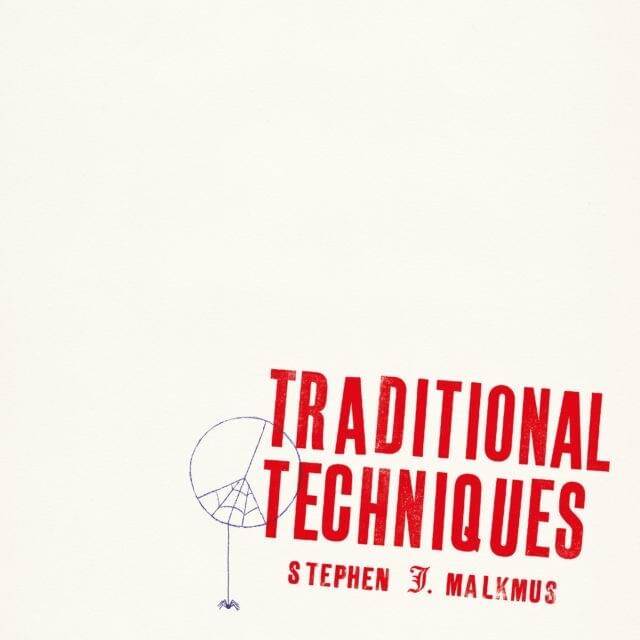
 View Artist