Song Meaning
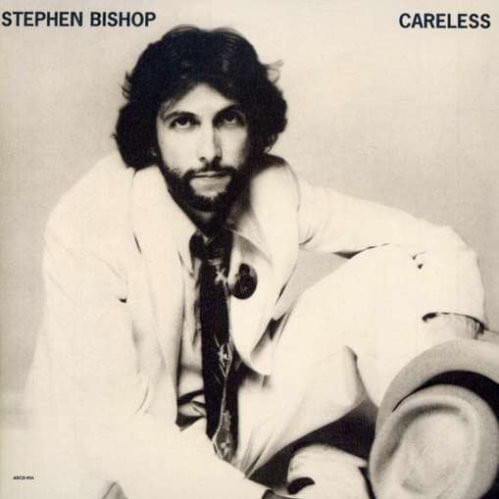
Stephen Bishop's "Careless" isn't just a confession; it's an excavation of the self-destructive impulses that sabotage intimacy. The opening question, "Why must I be so careless?" isn't rhetorical. It's a plea, a desperate attempt to understand the chasm between intention ("I only want the best for you") and action. That single word, "careless," becomes a bludgeon, repeated not as an excuse, but as a self-indictment. The emotional core resides in the inherent paradox: the desire for connection coupled with the seemingly unavoidable urge to undermine it.
The song pivots on the tension between recklessness and the yearning for stability. The second verse introduces "careful" as the desired state, a counterpoint to the narrator's inherent flaws. The lines "Why hurt the one I'll hold tonight? / Just when the feeling felt so right" highlight the painful irony of self-sabotage. Bishop captures the frustration of recognizing a good thing only to consciously, or unconsciously, jeopardize it. The raw vulnerability in "How many times should I apologize? / How many times should I cry?" exposes the cycle of regret and the narrator's growing awareness of his destructive patterns.
Beyond simple remorse, "Careless" hints at deeper psychological currents. The lyrics "I was lonely / Away from home / Feeling so alone / Just like now" suggest that the "carelessness" might stem from a profound sense of isolation. Hurting others, in this context, could be a twisted attempt to exert control or to replicate a familiar emotional landscape. The final verse, with its admission of sleeplessness and potential madness ("Maybe I'm crazy / I don't know"), amplifies the sense of internal turmoil. The fear of abandonment ("But if you'd go I'd be helpless") underscores the narrator's dependence on the very person he's hurting, creating a vicious cycle of need and destruction. Bishop's "Careless" isn't just a song; it's a haunting portrait of a man wrestling with his own demons, unsure if he's capable of escaping them.
 View Artist