Song Meaning
Stephen Bishop's "Blue Window" isn't just a song; it's a stark sociological observation filtered through a melancholic lens. The opening lines depict a return to the familiar – the comfort of home after a journey. But this comfort is immediately shattered by the mediated reality of television, a window onto a world riddled with conflict and disaster. The "blue window" itself becomes a metaphor for the detached, often desensitized, way we consume global tragedy. It’s the cool, artificial light of the screen separating us from the raw, unfiltered pain. Bishop isn't just describing what he sees; he's implicating the listener, asking if they, too, have witnessed the world's suffering through this same distorting filter.
The song deepens its critique by juxtaposing grand-scale geopolitical issues with the quiet desperation of homelessness. The contrast is deliberate, highlighting the absurdity of a world capable of immense destruction ("make more guns enough to blow everyone to kingdom come") while simultaneously failing to address basic human needs. The "wind of change" becoming "bitter rain" suggests disillusionment, a cynicism born from witnessing repeated failures of progress and compassion. Bishop doesn't offer solutions; instead, he lingers in the discomfort of awareness, forcing us to confront the unsettling reality of our interconnected yet profoundly unequal world.
Ultimately, "Blue Window" is a meditation on the psychological distance created by modern media. It's about the way constant exposure to suffering can paradoxically lead to apathy, the way we become numb to the endless stream of bad news. The repetition of the question – "Have you seen the world through my blue window?" – serves as a persistent, almost accusatory, reminder. It's an invitation to look beyond the screen, to acknowledge the human cost of conflict and inequality, and to question the role we play in perpetuating a world seen through a detached, 'blue' perspective.
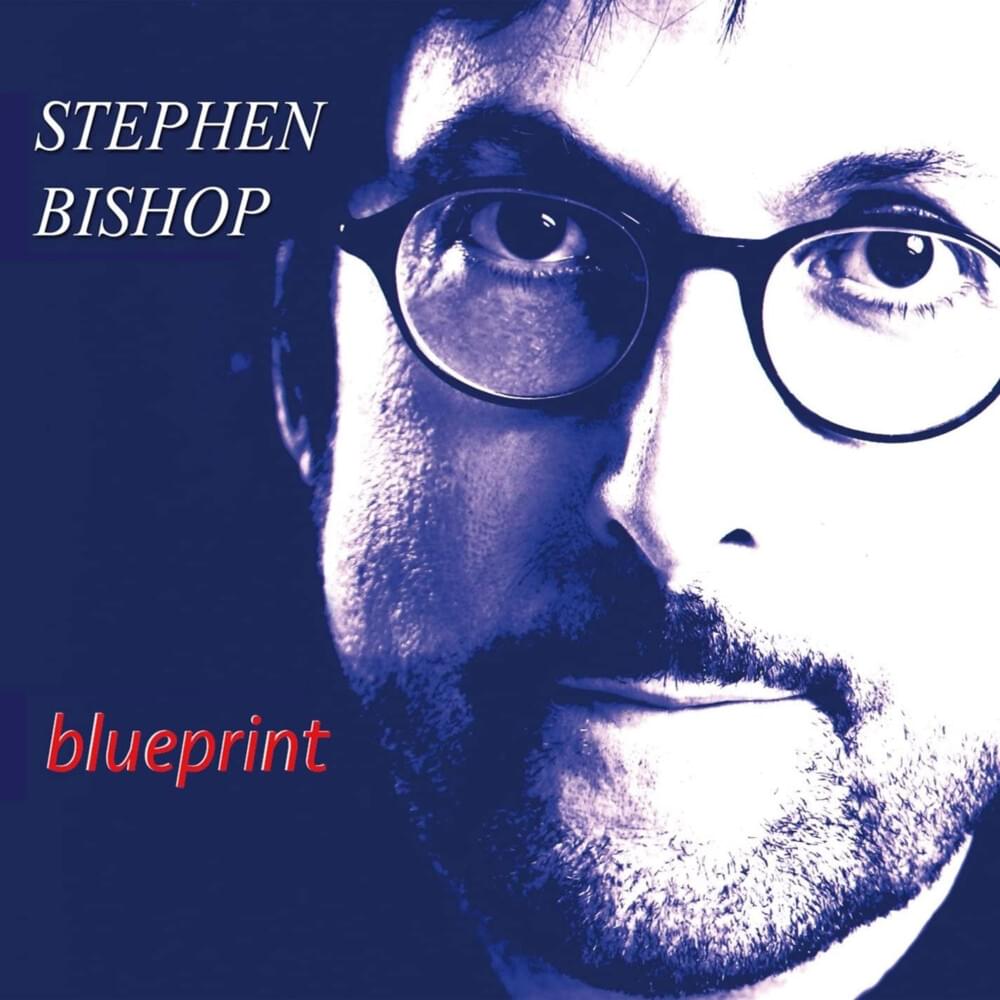
 View Artist