Song Meaning
Stephanie Mills's "Don't Stop Doin' What 'Cha Do" operates as a primal plea for sustained intimacy. It's not just about romantic love; it's about the fear of its cessation, the anxiety of a beautiful thing fading. The repeated chorus, "Don't stop doin' what we do," transcends mere repetition; it becomes a mantra against entropy, a desperate attempt to freeze a perfect moment in time. This isn't a complex narrative, but rather a raw emotional core laid bare. The singer isn't detailing a story, but instead, imploring her lover to maintain the current state of bliss. It's less about grand gestures and more about the simple, repeated acts of connection that build a relationship's foundation.
The lyrics themselves paint a picture of idealized love. The lover is a "diamond," something precious and rare, and the singer pledges to be "everything." There's a sense of mutual dependency, a desire to create a world that exists solely for two. Phrases like "ties of love will bind, you and I" evoke a sense of permanence and commitment. This isn't a fleeting infatuation, but a deep, abiding connection that the singer fears losing. The carousel metaphor, "Your kiss has got me spinnin' round / Just like a carousel," suggests a dizzying, intoxicating effect of the lover's affection, reinforcing the idea of an almost addictive need for their presence.
The song's power lies in its simplicity and vulnerability. It's a universal sentiment – the fear of losing a love that defines you. The phrase "Hearts keep callin' out love" encapsulates the yearning for sustained connection, the constant reaffirmation needed to maintain the emotional bond. The song meaning revolves around the preservation of intimacy through consistency. It is a testament to the power of simple actions in solidifying the ties between two souls and an almost frantic urge to maintain that bond against the forces of change and time. Stephanie Mills, through this song, captures the fragile beauty of love and the inherent human fear of its potential disappearance.
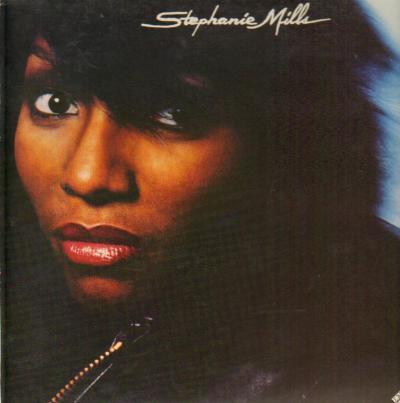
 View Artist