Song Meaning
The narrator feels an urgent need to escape a familiar, suffocating environment. There's a clear sense of having endured too much, of being told that a temporary departure will fix everything. The initial verses paint a picture of someone trapped, yearning for any form of release, anywhere else. This sets up a desperate hope for change, a belief that leaving the source of pain behind is possible.
The core tension lies in the stark contrast between the promised escape and the crushing reality of return. The phrase "pretty lie" in the pre-chorus directly confronts the comforting falsehoods that encouraged the departure. The narrator believed that by going "far away," they could shed their burdens, only to find that the pain is an intrinsic part of them, not just tied to a place.
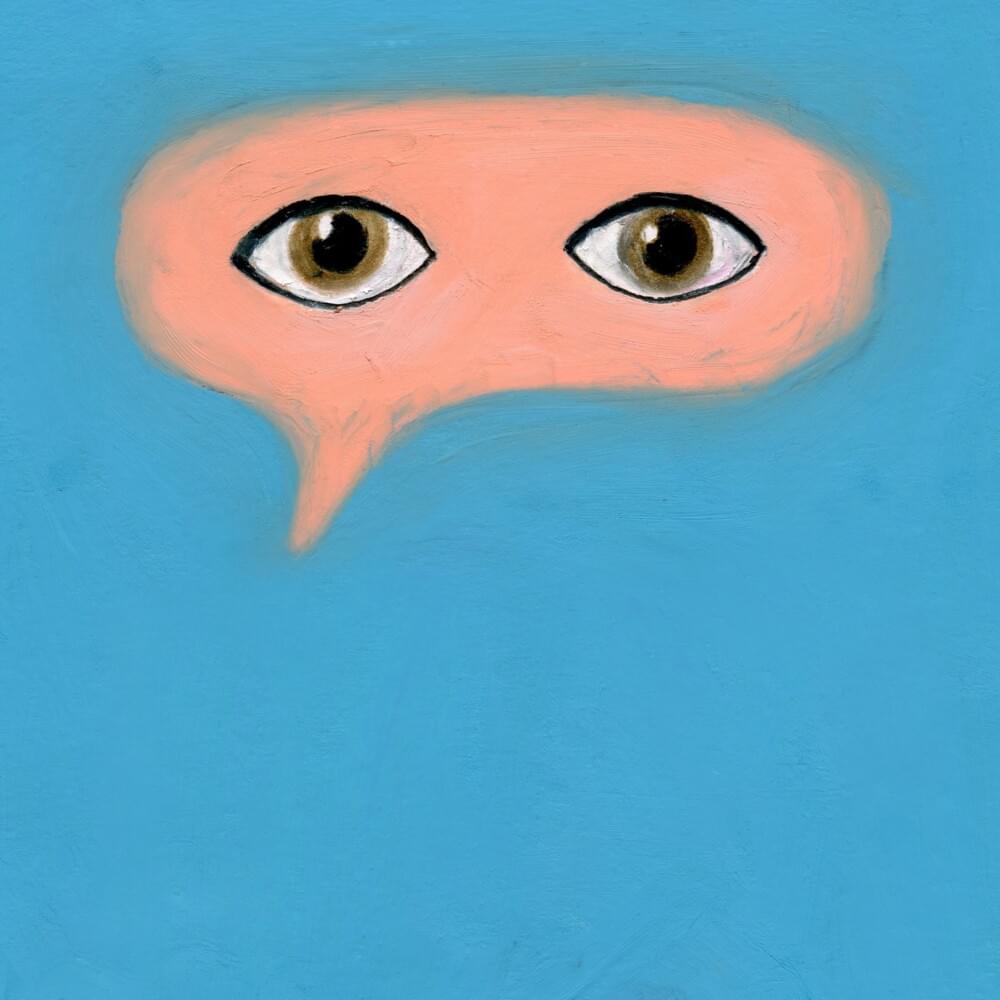
The most striking element is the recurring image of "reality blue" upon returning. This isn't a refreshing blue, but a melancholic, perhaps even mocking, hue that greets the narrator. The "unchanging air" of this place seems to actively taunt the narrator's emptiness, highlighting the futility of their attempt to outrun their internal struggles. The lyrics suggest that the external environment, once the perceived problem, becomes a mirror reflecting the internal void.
This song hits hard because it articulates a universal human experience: the hope that a change of scenery can fix internal issues, and the subsequent disappointment when that doesn't happen. The craft here is in the direct confrontation of the "pretty lie" and the personification of the environment as something that "laughs at me, empty." It captures the feeling of being trapped not just by circumstance, but by one's own persistent inner state, making the return feel like a betrayal by reality itself.
 View Artist