Song Meaning
The lyrics paint a stark picture of loneliness and regret, set against the backdrop of a fading connection. The opening lines, "Με τα φώτα μου σβηστά" (With my lights off), immediately establish a mood of darkness and perhaps deception, as the narrator finds themselves in a "ψεύτικη αγκαλιά" (fake embrace) that only vaguely resembles the presence of someone lost. This physical closeness, devoid of genuine warmth, highlights a deep internal void, a "κορμί μου να διψά" (my body to thirst) contrasted with a hesitant heart, suggesting a disconnect between desire and emotional commitment.
The core tension arises from the narrator's confrontation with lost time and a life seemingly divided and squandered. The repeated question, "Τώρα τι να πω" (Now what can I say), underscores a sense of helplessness and a realization of how "βιαστικά τη χαραμίσαμε" (hastily we wasted it). This feeling is powerfully amplified by the metaphor of "Σαν βεγγαλικά" (Like fireworks), which describes a brilliant, fleeting trajectory that ultimately "μια νύχτα σβήσαμε" (we extinguished in one night). The imagery captures a spectacular but ephemeral existence, leaving only darkness behind.
The most striking element is the pervasive, almost suffocating fear expressed in the chorus: "Φοβάμαι τα βράδια" (I fear the nights). This fear isn't just about being alone; it's a dread of confronting the emptiness, of "μόνος μου να τα μετρώ" (counting them alone) and "μόνος μου να κοιμηθώ" (sleeping alone). The simple act of looking at "Το ταβάνι πάλι να κοιτώ" (the ceiling again) becomes a symbol of this inescapable solitude. The repetition of "Φοβάμαι" (I fear) at the end, escalating from the chorus to a raw, unadorned declaration, emphasizes the overwhelming nature of this emotional state.
Ultimately, the effectiveness of these lyrics lies in their raw, unvarnished portrayal of regret and isolation. The contrast between past intensity (fireworks) and present desolation (lights off, fake embrace, staring at the ceiling) creates a profound sense of loss. The simple, direct language, particularly the repeated "Φοβάμαι," bypasses complex metaphors to hit directly at the listener's sense of vulnerability and the universal dread of confronting one's own loneliness.
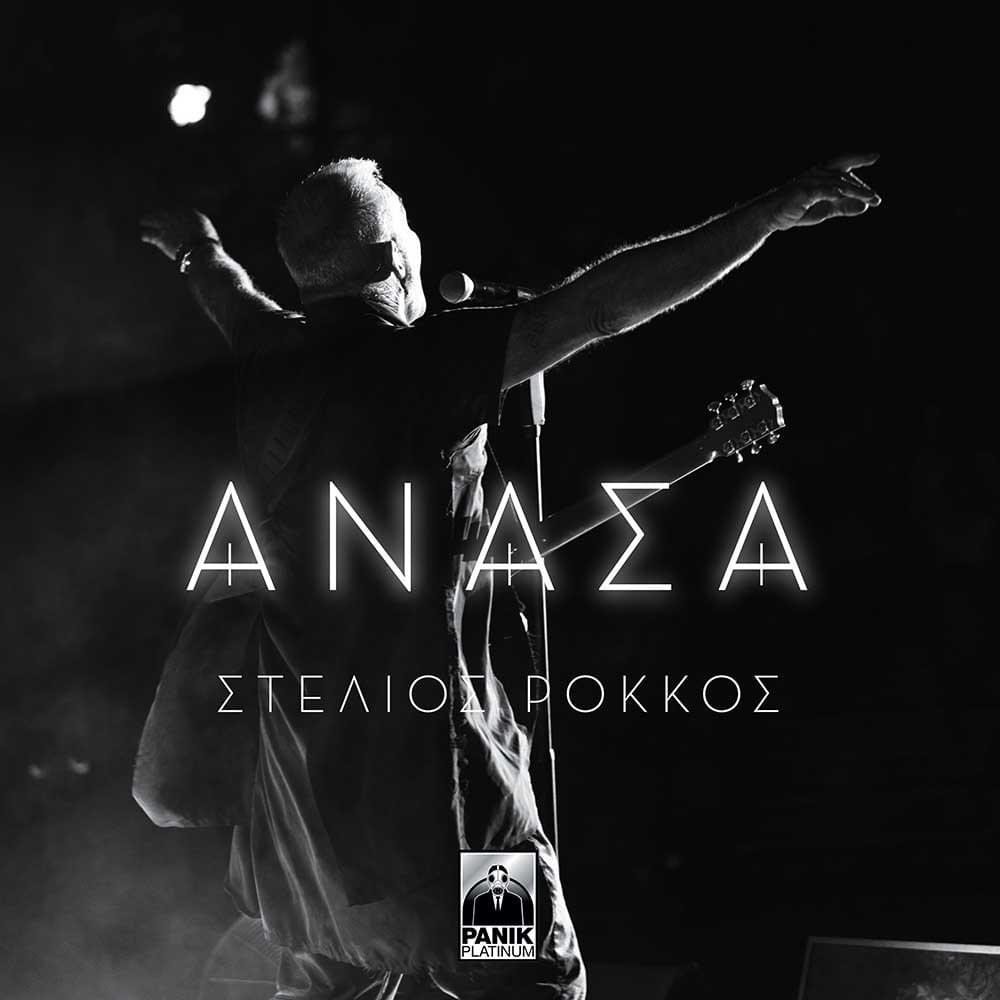
 View Artist