Song Meaning
The lyrics paint a stark picture of national defeat, not through open warfare, but through insidious corruption. The opening lines establish a profound sense of loss, bidding farewell to "Scottish fame," "ancient glory," and even the "Scottish name." This isn't a glorious surrender; it's a dismantling of identity. The imagery of rivers like Sark and Tweed now marking "England's province" underscores a territorial and symbolic subjugation. The repeated, bitter refrain, "Such a parcel of rogues in a nation!" immediately signals the narrator's deep disillusionment and anger at the internal forces responsible for this downfall.
The central tension lies in the contrast between past military strength and present capitulation. The narrator laments that "What force or guile could not subdue / Through many warlike ages" has now been "wrought by a coward few / For hireling traitor's wages." This highlights a profound betrayal, where the nation's integrity, once defended by "English steel we could disdain," has been undermined by "English gold." The valor that defined their history is rendered useless against the corrupting influence of money and treachery.
The most striking craft element is the relentless repetition of the phrase "Such a parcel of rogues in a nation!" This isn't just a statement; it's a curse, a lament, and an accusation hurled at those who have sold out their country. The narrator's wish to have died before witnessing this "day / That treason thus could sell us," invoking legendary figures like "Bruce and loyal Wallace," emphasizes the depth of his despair and the perceived ignominy of the current situation. The declaration, "We're bought and sold for English gold," is a raw, unvarnished summation of the nation's perceived fate.
This lyrical passage resonates because it captures the gut-wrenching feeling of watching a nation's pride and independence crumble from within, not from a heroic last stand, but from the quiet, devastating work of betrayal. The specific, almost geographical markers of defeat – rivers changing their symbolic course – ground the abstract concept of national loss in tangible imagery. The raw, accusatory tone makes the narrator's pain and anger palpable, transforming a historical lament into a powerful expression of disillusionment with corrupt leadership.
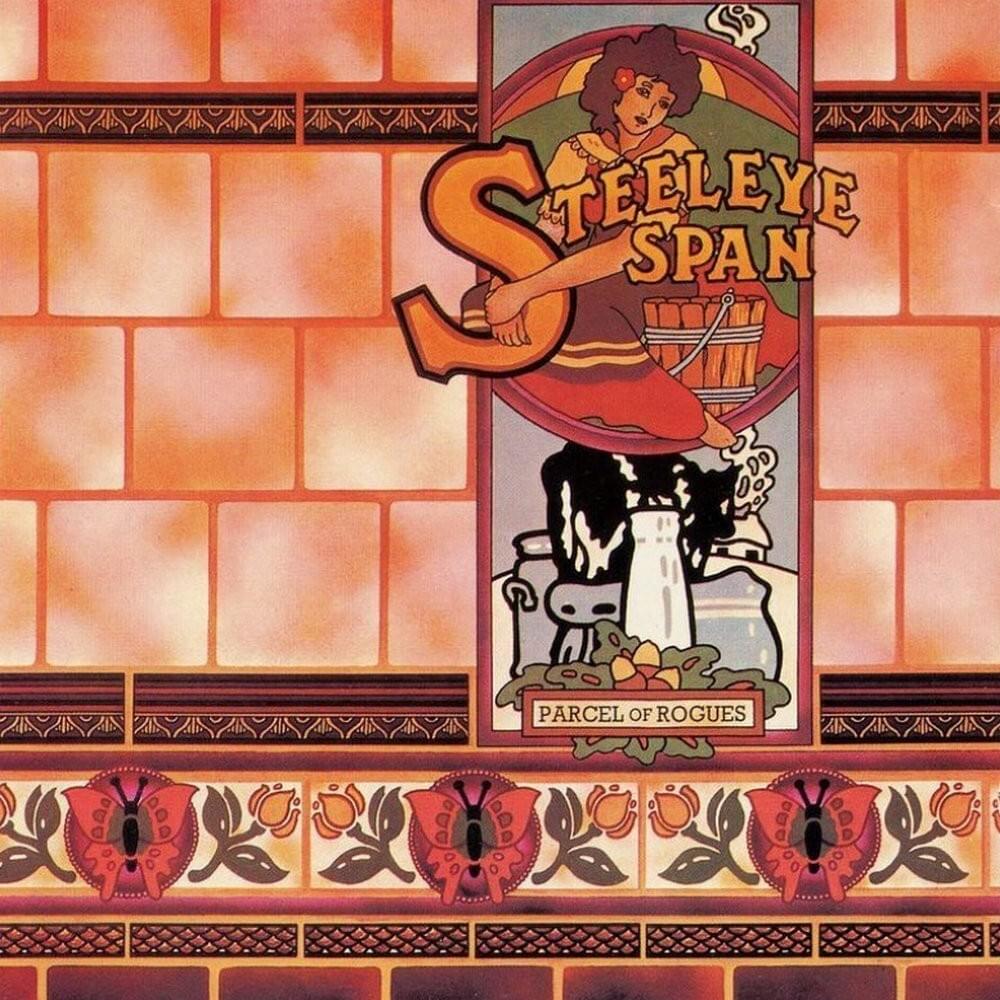
 View Artist