Song Meaning
The lyrics paint a grim picture of inescapable despair, starting with a visceral sense of internal decay. Phrases like "one infection, hunger my brain" and "toxicated lost and pain" establish a feeling of being consumed from within, a mental and physical breakdown. This internal rot is juxtaposed with an external, almost mundane, "market, chief next door," highlighting how the personal crisis unfolds against a backdrop of ordinary life, making the suffering feel even more isolating and stark.
The central tension lies in the narrator's perceived entrapment, both by external circumstances and internal states. The line "I can't stop, the blood on the floor" suggests a point of no return, a irreversible act or consequence that seals their fate. This feeling of finality is reinforced by "It's too late, the damage is done," creating a suffocating sense of doom where any hope of recovery or escape is explicitly denied. The repeated assertion that "Our luck, will no-ever run" becomes a bitter, ironic twist, implying a perpetual state of misfortune rather than good fortune.
The most striking element is the stark, almost mantra-like repetition of "There's no way out." This refrain isn't just a statement; it's an oppressive force that crushes any lingering possibility of relief. The shift in perspective with "You can run, but you can't hide / 'Cause now you see, the other sign" suggests a dawning, terrifying realization that the trap is universal and unavoidable. The lyrics build to this overwhelming conclusion, leaving the listener with the chilling finality of the repeated phrase, amplifying the feeling of being utterly cornered.
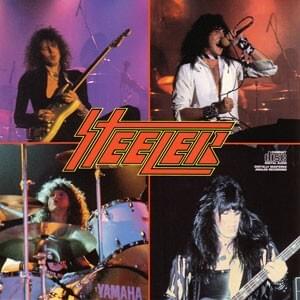
 View Artist