Song Meaning
The lyrics paint a picture of someone confronting another person who has become embittered and is now inflicting pain on others. The opening lines, "About time you paid for all of this / You've got the bloody finger tips / And blood on your lips," immediately establish a sense of accusation and consequence, suggesting the other person has actively caused harm. This isn't just passive negativity; it's a deliberate, almost aggressive, act of causing distress, as evidenced by the visceral "bloody" imagery.
The central tension arises from a perceived betrayal of past ideals. The narrator recalls a time when the subject "used to love the rock n roll," implying a more vibrant, perhaps less cynical, past. Now, this person is "just like them," mimicking the "popular kids who put you down" and, in doing so, "mak[ing] everybody feel bad." This transformation from victim to perpetrator is the core conflict, highlighting a cycle of negativity that the narrator finds frustrating and calls out with "Quit putting me on."
A striking element is the introduction of "Mr. White Light." This figure appears to represent a source of power or perhaps a tempting, yet ultimately draining, influence. The narrator rejects the idea of "drink[ing] from your fountain," choosing instead to "climb[ ] up that mountain," a clear metaphor for self-reliance and overcoming challenges independently. This contrasts sharply with the passive, perhaps destructive, path the other person has taken.
Ultimately, the lyrics resonate because they capture the painful experience of watching someone you knew succumb to bitterness and lash out. The repeated plea, "Quit putting me on," isn't just about annoyance; it's a desperate attempt to break through a facade of anger and cynicism that has taken hold. The narrator's own struggle, symbolized by climbing the mountain while others "walk[ ] away" and facing financial hardship ("can't afford the bills on / This pay"), underscores a shared, difficult reality that the other person is choosing to exacerbate rather than confront.
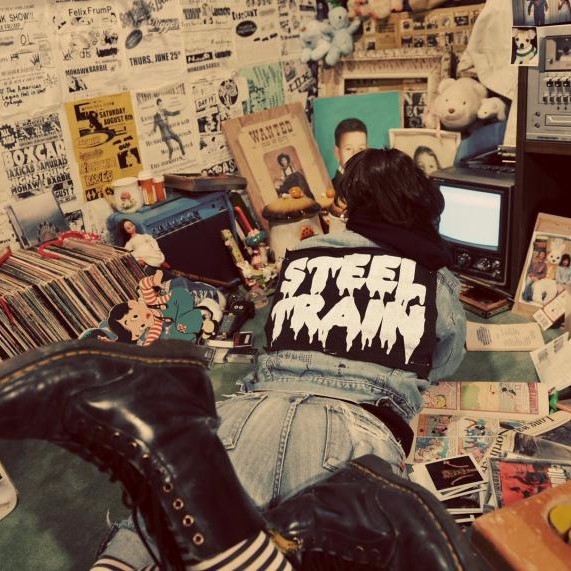
 View Artist