Song Meaning
The lyrics open with a stark, almost fable-like introduction from "Чет" (Chet), detailing a "wicked jack" trapped "в петле" (in a noose) for five years, obsessed with ballet. This immediate darkness is amplified as the speaker claims his "флоу - пистолет" (flow - a pistol). It's a raw, confrontational opening.
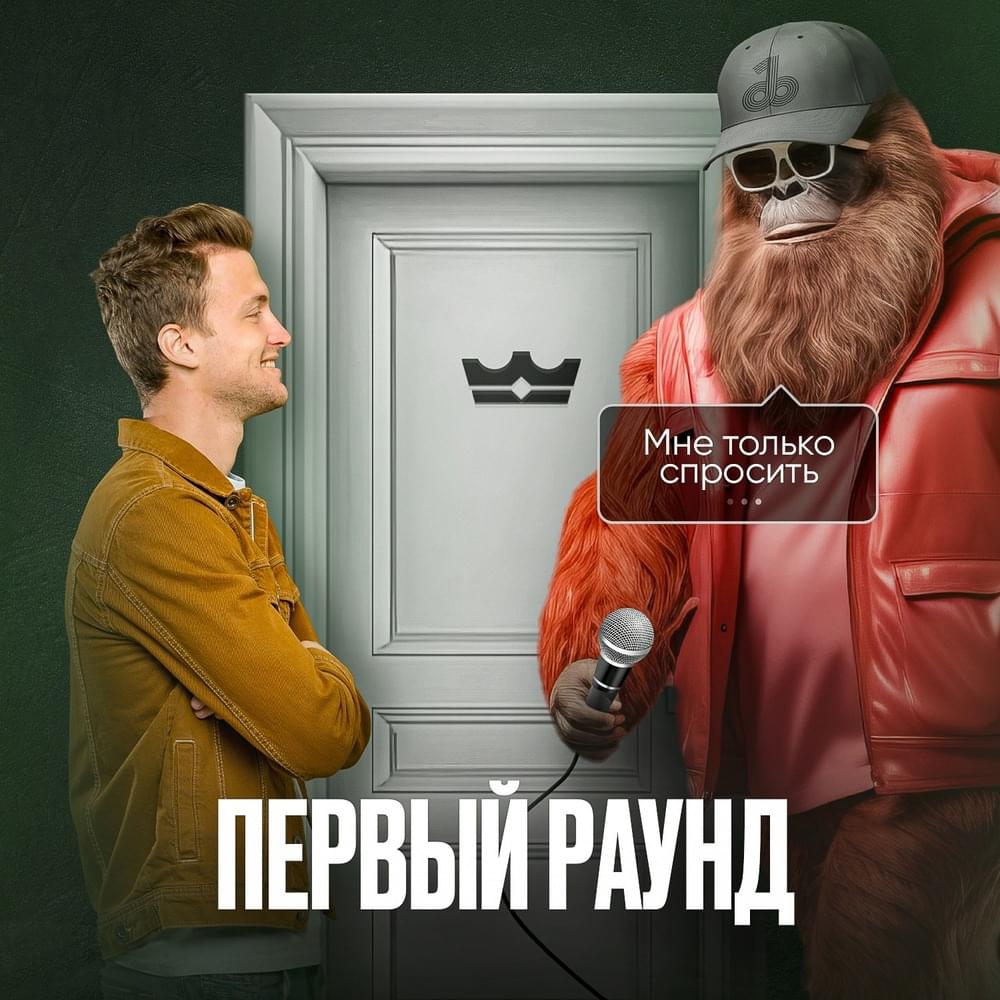
A central tension emerges as the speaker, despite admitting "во рту вселенская желчь" (universal bile in my mouth), claims he's "чисто спросить" (just purely asking). This disarming facade quickly drops, however, as he describes a society caught in a "бешеный смерч" (furious whirlwind) promising "сто Хиросим" (a hundred Hiroshimas). Amidst this impending doom, the poignant question "Кому жить хорошо на Руси?" (Who lives well in Rus'?) anchors the track's profound societal critique.
The lyrical craft truly shines in its blend of the profound and the mundane. The speaker laments that "космос не выплюнет" (the cosmos won't spit out) answers to life's big questions, yet immediately pivots to a poignant, almost absurd address to a lost "Братуха" (Brother). Asking "Водятся ли караси?" (Are there crucian carp?) in heaven injects a raw, earthy grief, grounding the existential dread in a deeply personal, culturally specific image of a simple pleasure.
The track's power lies in its unflinching portrayal of a bleak, drawn-out future, underscored by the repeated refrain of "тысяча зим и одна бесконечная осень" (a thousand winters and one endless autumn). This imagery evokes a sense of prolonged, inescapable melancholy. Yet, a defiant undercurrent persists, with the promise "мы со всех за это спросим" (we'll ask everyone for this), suggesting a future reckoning that adds a layer of simmering rebellion to the pervasive despair.
 View Artist