Song Meaning
The lyrics immediately plunge into the harsh realities of a "quartier," where life's uncertainties push young people to the margins. There's a direct, almost intimate address, acknowledging a shared understanding of the stakes. The opening lines set a tone of weary wisdom and urgent concern.
A core tension emerges between the perceived allure of a criminal life and its devastating cost. The narrator details the roles – "malfrat," "accro du cash," "escroc" – painting a picture of someone constantly defying laws and chasing wealth. Yet, this pursuit is immediately undercut by the chilling prospect of having "y laisser sa peau," suggesting a fatal price.
The plea "Essaie de ne pas laisser la lumière qui t'a éclairé se tamiser" is particularly striking. This metaphor suggests a loss of inner guidance or hope, a slow fading of one's true self amidst the hustle. It juxtaposes the external bravado of "être flow" with an internal, spiritual dimming, hinting at a deeper, more tragic consequence than just legal trouble.
The narrator's shift to a direct, rhetorical question – "Est ce que cela vaut le coup quand on sait ce qu'il en coute" – serves as a powerful pivot. By asserting "Mec je connais bien le biz," the speaker establishes a hard-won credibility, making the final, stark truth resonate: "Beaucoup y jouent très gros mais la plupart en récoltent très peu." This isn't just a warning; it's a disillusioned observation from someone who has seen the game played out.
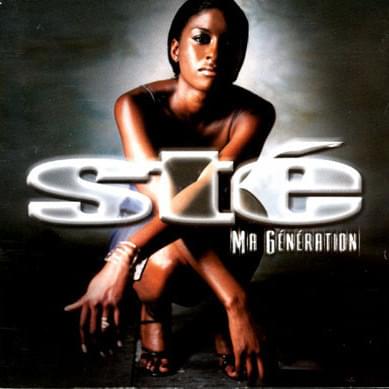
 View Artist