Song Meaning
The lyrics paint a stark picture of an elderly man facing an unavoidable eviction, his sanctuary about to be shattered. The dominant tone is one of profound sadness and helplessness as unseen forces, the "men," prepare to dismantle the life he's built. This isn't just a physical displacement; it's the destruction of a "heaven he has known," a "backstreet dream" that must be abandoned. The repeated lament, "Oh, what a shame," underscores the tragedy of his situation.
The central tension lies in the man's utter lack of agency against an impending, impersonal force. He "must go," his "things" reduced to what fits in a "sack," a devastating symbol of a life stripped bare. The question "can we help you at all?" posed by an unseen chorus, hangs heavy with a sense of futility, suggesting that while help might be offered, it's too late to truly alter his fate. The "tears they blind his eyes" is a powerful image of his overwhelming grief.
The most striking craft element is the relentless repetition of "poor old man." It functions not just as a descriptor but as a mournful chant, emphasizing his vulnerability and the collective pity, or perhaps indifference, directed towards him. This refrain, coupled with the repeated, almost pleading question of help, creates a sense of inescapable doom. The contrast between the man's private "heaven" and the external "men" who will "smash" it highlights the brutal reality encroaching on his fragile peace.
These lyrics resonate because they tap into a deep-seated fear of loss and the indignity of helplessness in old age. The writing doesn't offer easy answers or a triumphant resolution. Instead, it forces the listener to confront the quiet devastation of a life being dismantled, leaving only the lingering question of whether any help truly matters when the damage is already done.
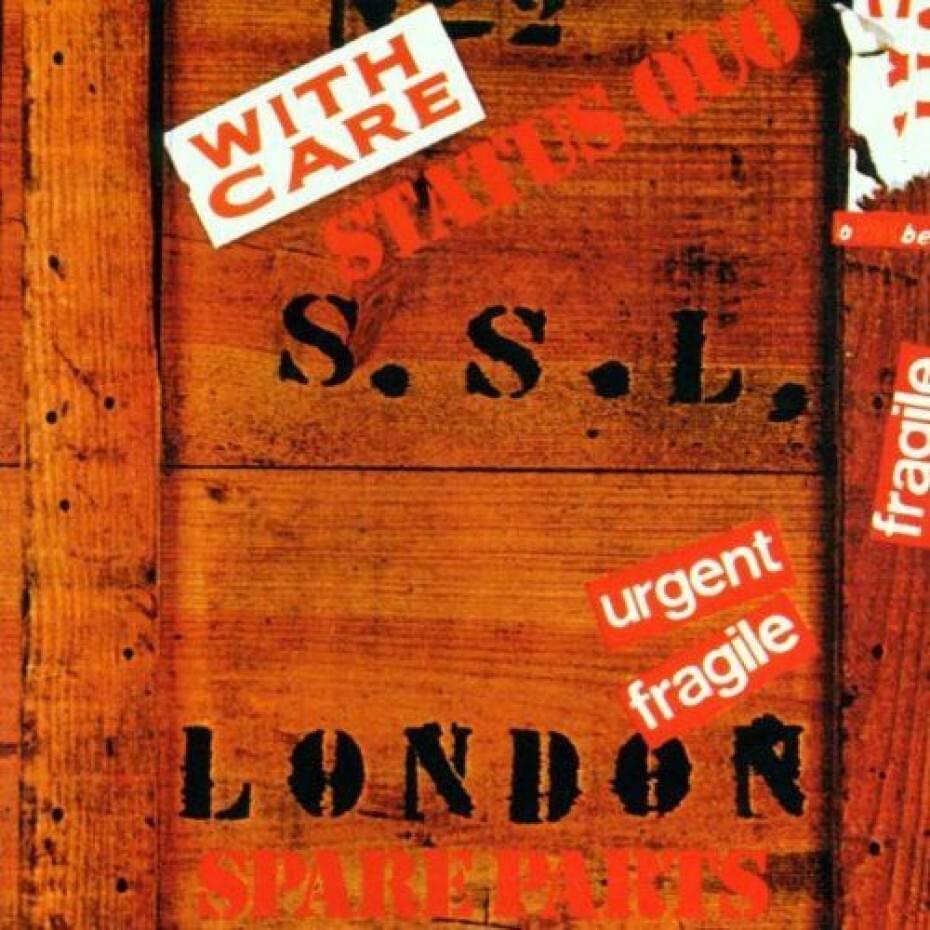
 View Artist