Song Meaning
The lyrics open with a striking vulnerability. The speaker grapples with songs that "sound so strange" and words they feel they "should change." This immediate self-criticism is quickly juxtaposed with the simple, almost childlike refrain of "Nanana," creating a curious push-pull. It's a raw glimpse into the artist's creative mind.
A central tension emerges from this creative insecurity. The speaker questions their own work, yet simultaneously offers a resigned acceptance: "It's all right if they sound just like other songs." This line isn't necessarily a surrender to cliché; rather, it suggests a quiet defiance or a pragmatic understanding that even familiar sounds can carry a unique signature "if this song's underlined with my name." It's the struggle to find one's voice amidst the noise.
The recurring "Nanana" sections are a masterful craft choice, acting as a sonic counterpoint to the lyrical self-reflection. These non-lexical vocables aren't just filler; they represent the raw, unadulterated act of making music, a moment where words fail or are simply unnecessary. They offer a hypnotic, almost meditative break, perhaps embodying the very "sounds that can go on and on" that the artist creates, free from the critical gaze of language.
Ultimately, these lyrics resonate because they lay bare the universal anxieties of creation and performance. The speaker's hope that the listener will "come back for more," despite the fear of having created "just a bore," is deeply human. This blend of candid self-doubt and an earnest desire for connection, punctuated by the simple, enduring melody of "Nanana," makes the artistic struggle feel immediate and profoundly relatable.
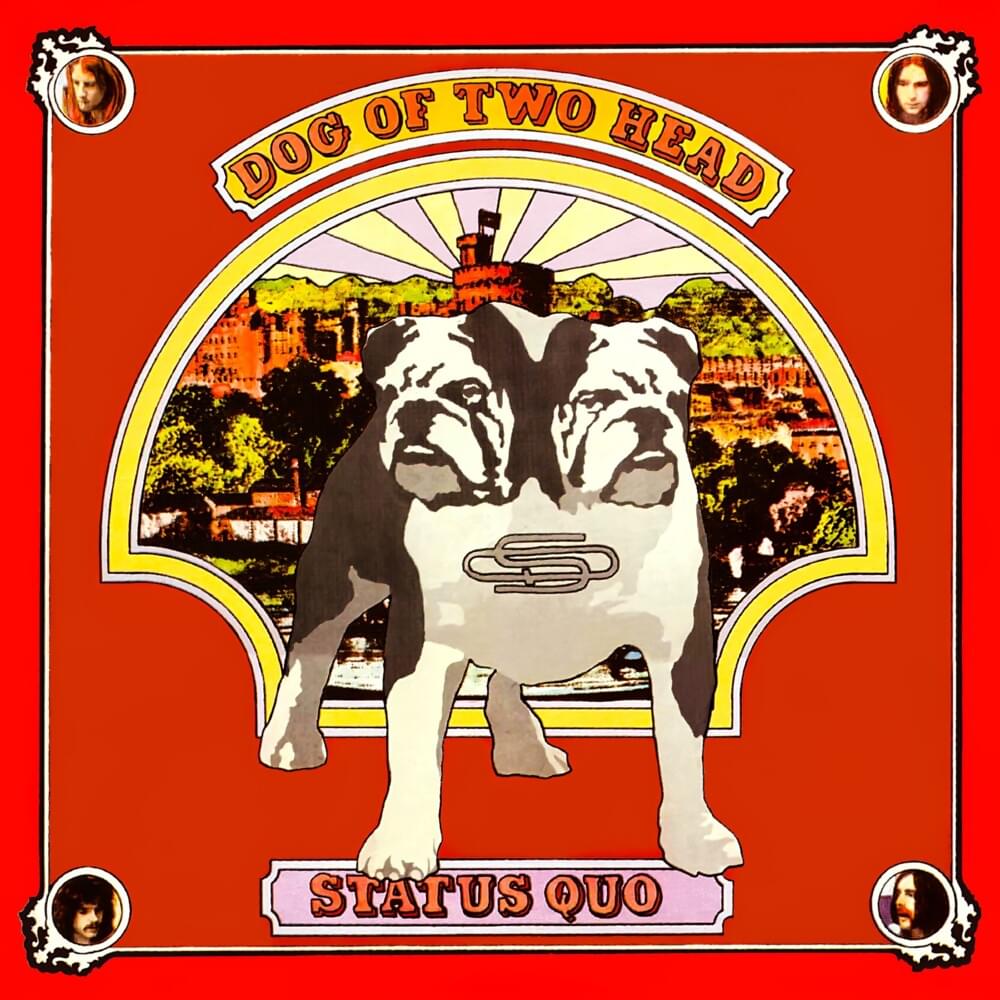
 View Artist