Song Meaning
The lyrics paint a stark picture of industrial collapse and personal loss, centering on a broken-down "rollin' mill." This isn't just a machine failing; it's the engine of livelihood grinding to a halt. The repeated phrase "done broke down" hammers home the finality and helplessness of the situation. The absence of anyone to "cast no iron" underscores a complete shutdown, a void where production and purpose once existed.
The central tension arises from the parallel between the mill's failure and the departure of a loved one. The narrator laments, "The gal I love I know she's gone," directly linking his personal devastation to the industrial one. This isn't just about a broken machine; it's about the collapse of a world, both economic and emotional. The phrase "carry the business on" suggests that the woman's absence is as critical to the narrator's life as the mill's function is to the community.
The most striking aspect of the craft here is the stark, almost elemental repetition. The simple, declarative sentences and the insistent return to the broken mill and the departed woman create a hypnotic, mournful rhythm. This isn't complex metaphor; it's raw, direct expression of despair. The lack of elaborate language forces the listener to confront the bleakness head-on, mirroring the unvarnished reality of the situation.
This directness is precisely what makes the lyrics hit so hard. By refusing ornamentation, the song amplifies the feeling of emptiness and finality. The parallel structure between the mill's breakdown and the woman's departure creates a powerful sense of double loss, making the narrator's plight feel overwhelming and inescapable. It’s a gut-punch of economic and romantic ruin, delivered with brutal simplicity.
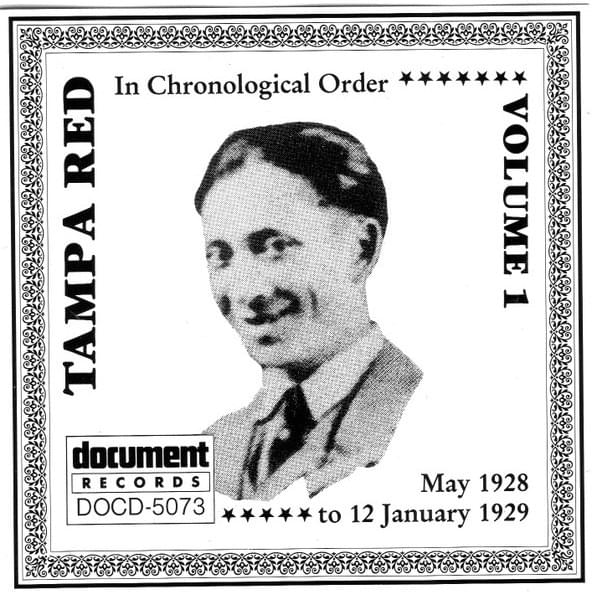
 View Artist