Song Meaning
The lyrics paint a disorienting scene where a woman enters the narrator's bed, claiming the "world was going mad" and the "streets were bleeding." This immediate, almost surreal intrusion sets a tone of unease and fractured reality. The narrator, caught off guard, interprets her words as a cryptic message, a feeling that "somebody's trying to tell me something." This internalizes the external chaos, making it a personal, albeit confusing, omen.
The central tension lies in the narrator's passive reaction to this perceived crisis. Instead of engaging with the woman's distress or the implied societal breakdown, he retreats, "walked back from the light," and ponders the meaning of her words. This suggests a profound disconnect, an inability or unwillingness to confront the madness directly, choosing instead to observe and question from a distance. The repeated question, "How can we stay still and silent?" becomes a desperate plea, a rhetorical challenge to the very inaction the narrator embodies.
The most striking aspect is the contrast between the woman's vivid, apocalyptic imagery and the narrator's detached, introspective response. Her declaration of the "streets were bleeding" is met not with alarm, but with a quiet "I think I might as well / Turn in for the night." This juxtaposition highlights a deep-seated apathy or perhaps a profound sense of helplessness, where even direct pronouncements of societal collapse are processed as abstract puzzles rather than urgent calls to action.
Ultimately, the lyrics resonate because they capture a specific kind of modern paralysis. The overwhelming nature of perceived global madness, coupled with the narrator's internal processing, creates a powerful sense of being adrift. The repeated, almost mantra-like question at the end underscores the impossibility of remaining passive when the world feels like it's unraveling, even if the narrator himself is struggling to find a way to respond.
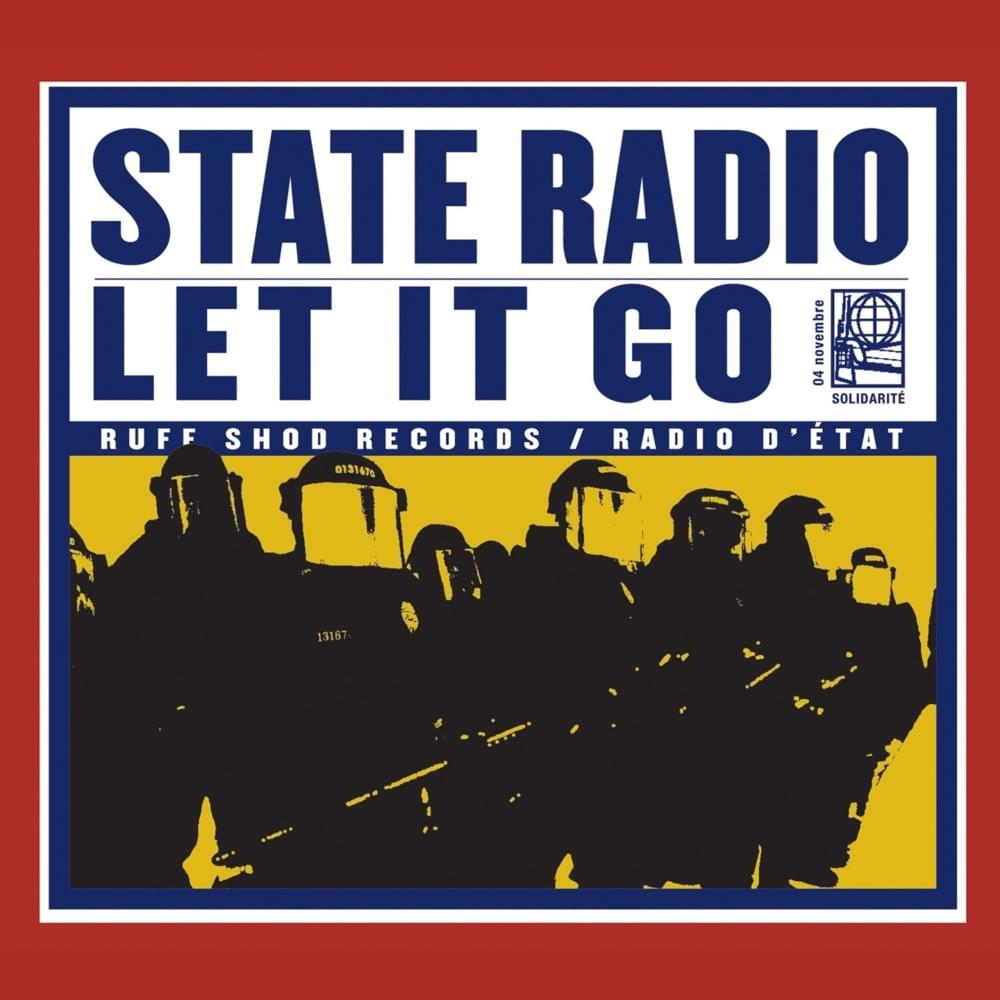
 View Artist