Song Meaning
The lyrics paint a vivid picture of a soul yearning for liberation, held captive within. A narrator desperately calls out, knocking on a "closed door" to reach this inner self. There's a palpable sense of internal struggle, a desire to break free from an unseen confinement. The core tension is between a trapped spirit and the relentless pursuit of freedom.
This isn't just a simple desire for escape; the narrator actively attempts to shelter the soul from an "icy wind" and a pervasive sense of indifference. This suggests the soul's captivity isn't just physical but emotional, perhaps a self-imposed numbness or a vulnerability to external harshness. The line "or heart wants pain" introduces a subtle, unsettling ambiguity, hinting that the path to freedom might involve a difficult, even painful, transformation.
Despite the present struggle and the passing of time, a powerful belief in eventual liberation shines through. The lyrics pivot from the immediate, frustrating reality to a soaring vision of the soul rising from its captivity. This future freedom isn't just an escape; it's a transformative ascent, guided by a path described as "thorny but holy." The striking image of the soul becoming like the "Star of Bethlehem" elevates its eventual triumph, suggesting a guiding, almost divine purpose in overcoming a "black emptiness."
The effectiveness of these lyrics lies in their portrayal of persistent hope against a backdrop of internal confinement and external apathy. The repetition of the chorus underscores the narrator's unwavering effort, even without an immediate answer. By framing the soul's eventual freedom not just as an escape from petty problems but as a victory over a profound void, the lyrics tap into a deep human yearning for meaning and spiritual resilience. It's a testament to the enduring belief that even a long-suffering spirit can ultimately find its sacred purpose.
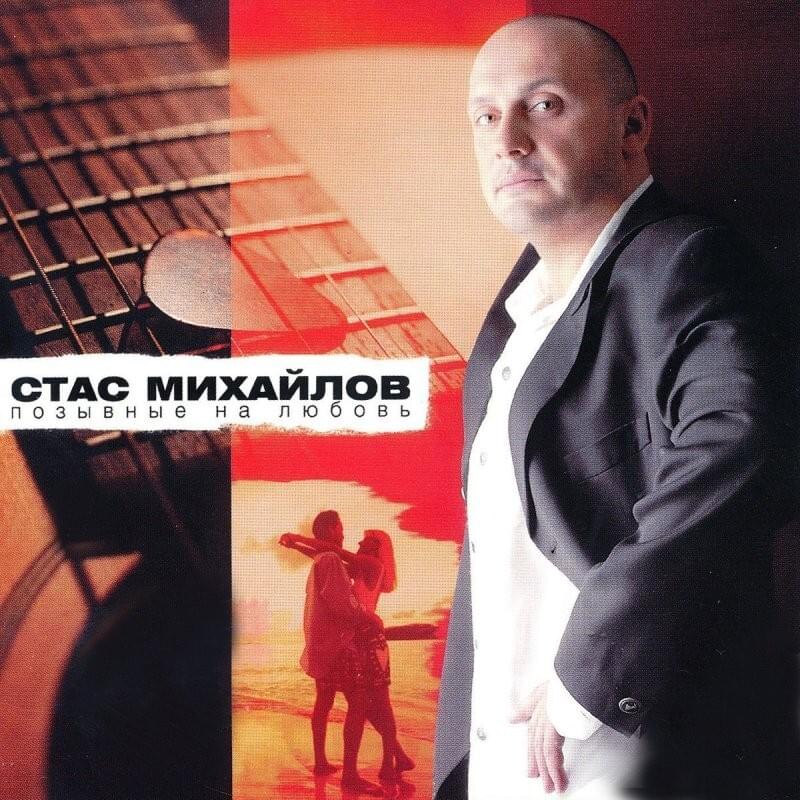
 View Artist