Song Meaning
The narrator finds themselves in a disorienting, perhaps overwhelming, urban landscape, symbolized by the "neon sky" and the imposing "Harland Cranes." This setting feels like a desperate escape, a "3000 miles from home" flight where a "fragile heart was on the run." The immediate emotional tone is one of regret and a plea for a second chance, a stark contrast to the vibrant but potentially suffocating external environment. The narrator seems to be grappling with a past mistake, realizing "What I had done" in the "cold dark night."
The core tension arises from the narrator's desperate attempt to salvage a relationship or situation that feels on the brink of collapse. The repeated plea, "Please don't turn your back / I'll change somehow / Don't look to the past / Our time is now," underscores this urgency. It’s a plea directed at someone significant, possibly the "favourite boy" mentioned later, who is searching for truth and was perhaps promised an "easy life" before encountering the narrator. The narrator's current actions, working "9-5" and doing "it all just to satisfy you," highlight a profound sense of sacrifice and a deep-seated need for validation from this person.
The lyrics cleverly juxtapose the external spectacle of the "neon sky" and "July parades" with the internal turmoil of the narrator. While the world outside is vibrant and celebratory, the narrator is "clinging on for dear life." The imagery of the "Harland Cranes" could suggest a sense of industrial, perhaps impersonal, progress that looms over the personal drama. The shift in the second verse, introducing the "favourite boy" and his quest for truth, adds another layer, suggesting that the narrator's own actions have complicated this other person's life, turning an "easy life" into something more challenging.
This piece resonates because of its raw vulnerability and the palpable sense of a life teetering on a precipice. The narrator’s earnest, almost pleading, tone in the chorus creates a powerful emotional anchor against the backdrop of a potentially impersonal, sprawling city. The final lines reveal a deep-seated motivation, a willingness to endure the mundane "9-5" grind and perform actions "just to satisfy you," revealing the immense personal stakes involved in seeking reconciliation or acceptance. The writing captures that gut-wrenching feeling of having messed up and desperately wanting to fix it, all while under the glare of a world that keeps moving.
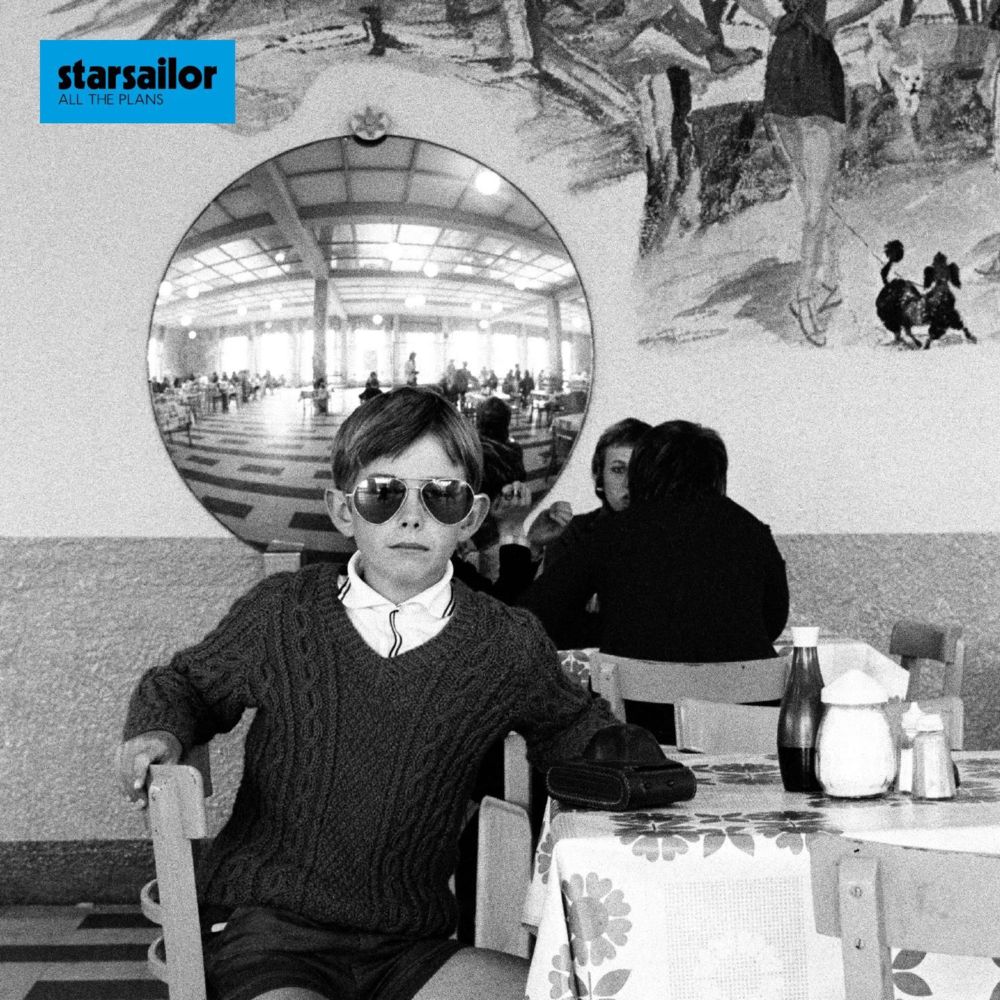
 View Artist