Song Meaning
The lyrics paint a stark picture of inherited trauma and the elusive nature of connection. The opening lines immediately establish a familial echo, noting the subject's "Daddy's eyes" and directly linking them to a father who "was an alcoholic." This isn't just a passing observation; it sets a tone of inherited struggle, suggesting that the past isn't just prologue but a present reality. The mother's role, "kept it all inside" and "threw it all away," adds another layer of unspoken pain and lost potential, hinting at a family history where difficult truths are suppressed, leading to destruction.
The core of the song seems to revolve around a desperate search for a specific kind of connection, one that's constantly slipping away. The narrator admits, "I was looking for another you," a phrase repeated to emphasize a pattern of seeking something familiar or perhaps something that was lost. This search leads to finding "another one," suggesting a series of near misses or imperfect replacements. The abruptness of "When I looked round you were gone" underscores the fleeting nature of these connections, leaving the narrator in a state of perpetual pursuit.
The most striking element is the juxtaposition of the "pipe dream" and the plea to "Stay by my side." The narrator offers this dream, a potentially idealized future, as a reason for the subject to remain. However, the repeated assertion that "the singer won't get in our way" or "the cynics won't get in our way" is peculiar. It suggests external forces or internal doubts are perceived as threats to this fragile union, but the specific mention of a "singer" feels oddly specific, perhaps representing a distraction or a romantic ideal that the narrator fears will pull the subject away. The final lines, "To see your blue eyed problem," directly tie the subject's perceived "problem" to their physical appearance, a painful and objectifying link to the "Daddy's eyes" and the inherited alcoholism.
Ultimately, these lyrics resonate because they capture the unsettling feeling of recognizing destructive patterns in oneself or others, particularly when those patterns seem inherited. The narrator's search for a specific "you" becomes entangled with the subject's own familial baggage, creating a cycle of longing and loss. The craft here lies in the blunt, almost clinical observations that carry immense emotional weight, transforming a simple description of eyes into a loaded symbol of inherited struggle and the desperate, often misguided, attempts to hold onto fleeting connections.
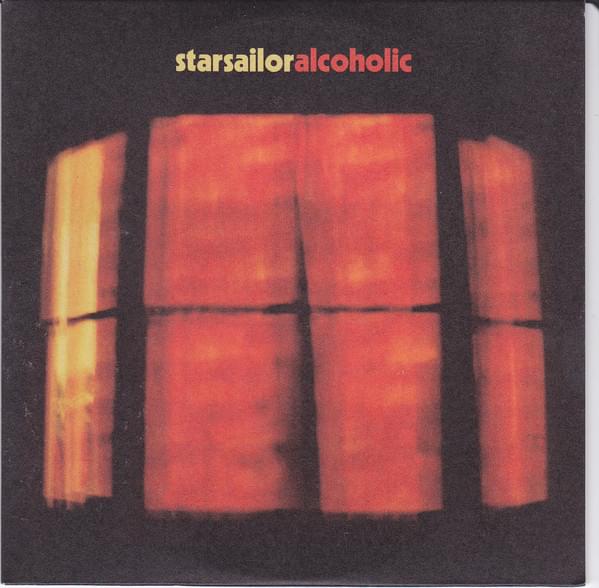
 View Artist