Song Meaning
The narrator is wrestling with a deep sense of personal failure and moral decay. They describe themselves as "a bitter one, a bitter son" and later "the evil one, sometimes the evil son," suggesting a long-standing internal struggle and a self-perception steeped in negativity. This self-loathing is contrasted with a persistent, almost defiant, belief in something positive breaking through.
The core tension lies between the narrator's admitted darkness and a persistent, external force of hope or redemption. Despite feeling untrue to themselves and losing their way, the repeated phrase "the light goes through my door" acts as an anchor. It's a recurring motif that suggests an unyielding external influence, even when the narrator feels incapable of maintaining their own inner light or morals.
The most striking aspect is the sheer repetition of "the light goes through my door." This isn't just a gentle reminder; it's an insistent, almost desperate, affirmation. The lyrics also highlight a loss of agency, stating "I don't know how to leave the light on anymore," which makes the external light's persistence even more significant. It implies that even when the narrator is unable to foster goodness themselves, it still finds a way in.
This lyrical structure creates a powerful emotional effect by juxtaposing profound self-condemnation with an unwavering external hope. The relentless repetition of the light's passage makes it feel like an undeniable truth, a lifeline offered even when the narrator feels most lost. It's this persistent, almost passive, reception of light that makes the lyrics resonate, offering a glimmer of possibility against overwhelming self-doubt.
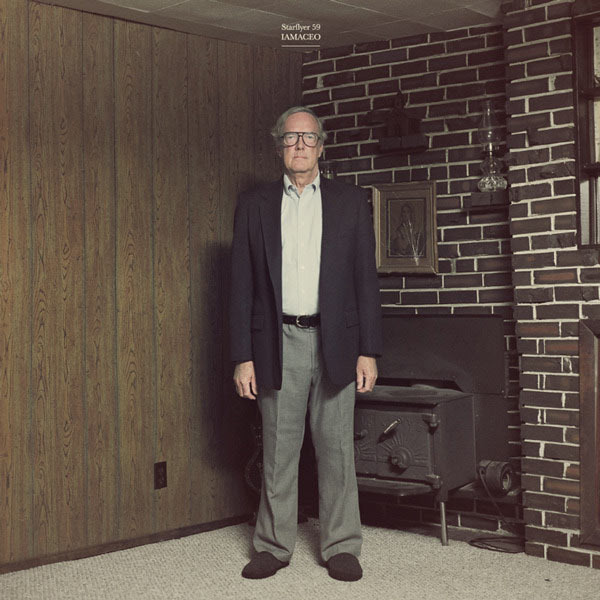
 View Artist