Song Meaning
The narrator grapples with an internal conflict, oscillating between a desire for self-acceptance and the pressure of external judgment. The opening lines suggest a forced compliance, a sense that true worth lies within, yet the repetition of "inside, inside, inside" hints at a struggle to access or believe it. This internal battle is mirrored by the external world, where a "crooked tongue" distorts perception and speech, leading to a plea for divine intervention against one's own thoughts.
The core tension emerges from the narrator's past self-perception versus their present state. They recall being "the fairest of them all," "the biggest of the small," and "the sharpest in the shed," a series of paradoxical declarations that paint a picture of someone who felt uniquely capable and perhaps even superior. This idealized past self, "the brightest of the head," now seems distant, contrasting sharply with the current struggle to reconcile thought and action, as evidenced by the repeated "I try and I try."
The lyrics employ a fascinating use of contradictory self-description and a religious undercurrent to explore this internal dissonance. The phrase "To live is Christ, to die is gain" introduces a spiritual dimension, perhaps suggesting a desire for transcendence or a surrender to a higher power as a solution to their earthly struggles. However, the subsequent line, "Oh but I've changed my mind, that I've made up my mind," perfectly encapsulates the paralysis of indecision, a mind that can't commit to a resolution, even when it believes it has.
This push and pull between conviction and doubt, between an idealized self and a flawed present, creates a palpable sense of anxiety. The narrator's internal monologue, marked by self-recrimination and a desperate attempt to align their thoughts with acceptable beliefs, is what makes these lyrics so resonant. The inability to settle on a decision, the constant mental back-and-forth, feels like a raw, honest portrayal of a mind caught in a loop.
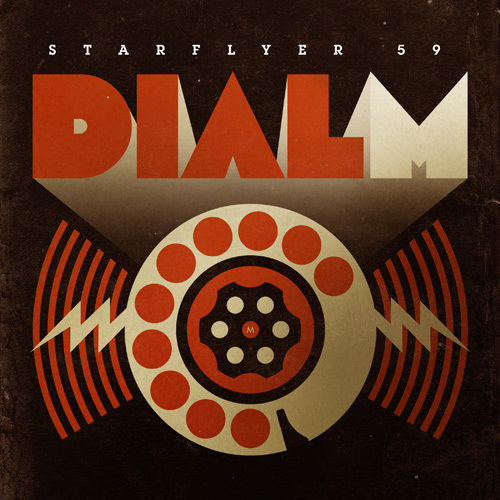
 View Artist