Song Meaning
The lyrics paint a stark picture of disillusionment, opening with a sense of stagnation and betrayal. The narrator observes a partner whose stress and perceived infidelity have aged them, creating a feeling of being stuck in a loop of "nothing new, forever." This initial observation sets a somber tone, hinting at a relationship that has lost its vitality and is showing the wear and tear of time and unspoken troubles.
The core tension emerges from a feeling of being left behind and the dawning realization of mortality. The narrator questions the purpose of their shared experience, framing it as a "training ground" where others have moved on. There's a palpable anxiety about fading into obscurity, a desperate wish to be seen before becoming just another face in the crowd. This fear is amplified by the direct, almost accusatory question: "Or have you noticed that we're all getting old?"
A striking contrast appears in the second verse, where the narrator shifts perspective on the partner's appearance, noting they "look half my age." This creates a disorienting effect, as it directly contradicts the earlier observation of looking "twice your age." The narrator then probes, "What have you been through?" only to be met with "Not much ever," suggesting a superficial existence that belies the perceived youthfulness, or perhaps a profound lack of experience that has paradoxically kept them from aging.
Ultimately, the effectiveness of these lyrics lies in their blunt honesty and the unsettling juxtaposition of aging and perceived stagnation. The repeated refrain, "We're all getting old," acts as a heavy, unavoidable truth, cutting through any pretense. It’s the quiet dread of time passing, the fear of being overlooked, and the melancholic acknowledgment of shared, inescapable decline that makes this a resonant, if bleak, reflection.
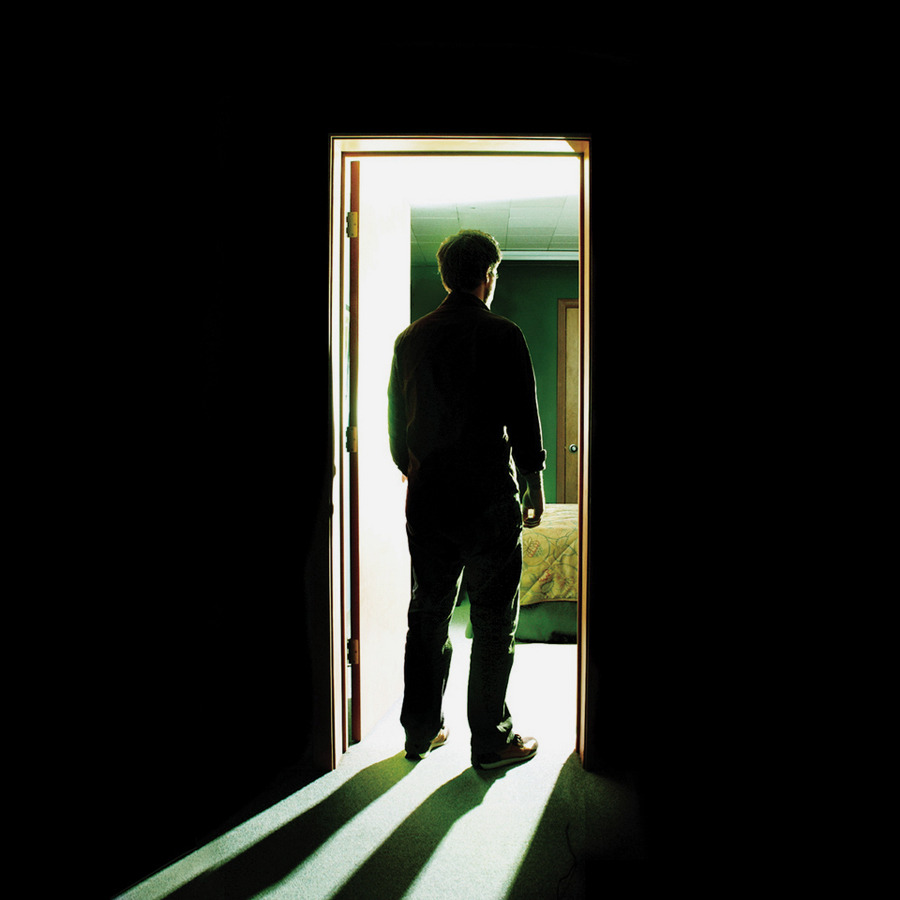
 View Artist