Song Meaning
The narrator seems to be in a transactional relationship, offering their 'card' – perhaps representing affection, effort, or resources – until a satisfactory 'payment' is received. This sets a tone of conditional engagement, where value exchange dictates the terms of their involvement. The repetition of "til the payment's right" underscores a sense of waiting and expectation, hinting at an imbalance or a need for something specific to be met before full commitment is offered.
The core tension lies in the narrator's stated enjoyment of the other person's presence, contrasted with the conditional nature of their own offering. They "like it when you're hanging around," a phrase repeated to emphasize this desire, yet this liking is immediately followed by the powerful declaration, "'Cause you took on my name." This suggests that the other person's willingness to adopt the narrator's identity, perhaps metaphorically or literally, is the ultimate condition or reward that solidifies the narrator's affection.
The most striking element is the repeated, almost incantatory, "'Cause you took on my name." This phrase functions as the linchpin of the song, transforming the earlier transactional language into something more profound. It implies that the other person's assimilation into the narrator's identity is the true 'payment,' the ultimate validation that makes the narrator's affection unconditional and their presence desired. The shift from conditional exchange to this deep personal connection, signaled by the adoption of a name, is the song's central revelation.
This lyrical construction is effective because it builds a narrative of conditional affection that is ultimately resolved by a profound act of shared identity. The initial verses create a sense of cautious engagement, making the chorus's declaration about taking on a name feel like a significant emotional breakthrough. The repetition of "my name" in the outro solidifies this as the ultimate prize, the point where the transactional fades and a deeper, perhaps possessive, bond is affirmed.
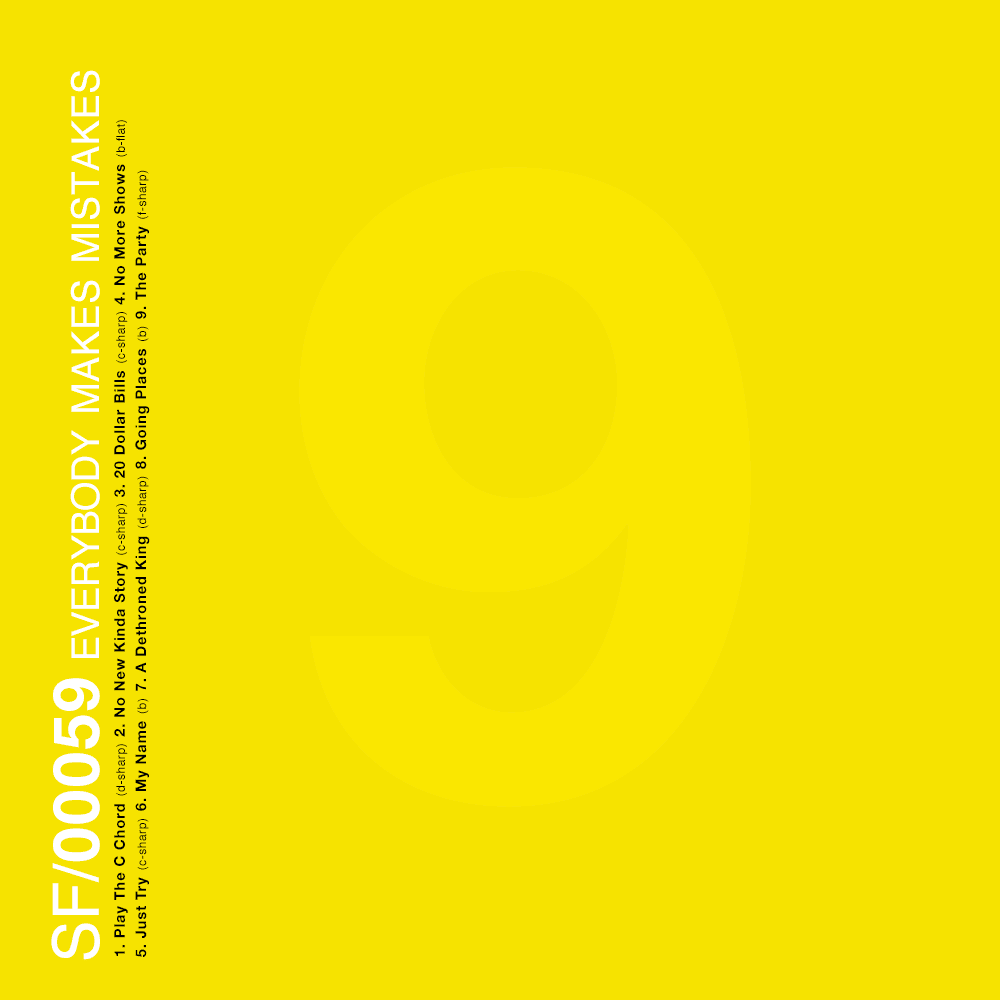
 View Artist