Song Meaning
The lyrics paint a picture of someone adrift, using the repetitive act of driving as a way to fill time and perhaps escape internal turmoil. The opening lines, "And if you need it a lot / I'm talking just to waste my day," immediately establish a sense of aimlessness, suggesting conversations or actions are performed not out of necessity but as a means to pass the hours. This is underscored by the insistent refrain, "I drive a lot / I drive a lot," which becomes the central motif of this lyrical landscape.
The core tension seems to lie in the narrator's state of being "all worked up." This internal agitation is contrasted with the external action of driving and the imagined scenario of having "lots of money" and "time to kill." The narrator contemplates hypothetical situations, thinking of friends who are now 35, perhaps a marker of a life stage or stability that feels distant. This juxtaposition highlights a disconnect between the narrator's restless present and a more settled, perhaps desirable, future or past.
The most striking aspect of the craft is the sheer repetition, not just of "I drive a lot," but also of the phrase "time to kill and just had lots of money." This echoes the narrator's internal state, amplifying the feeling of being stuck in a loop. The line "I'm talking just to hear myself" further emphasizes a sense of isolation and a need for self-validation, even if it's just through the sound of their own voice or the hum of the engine.
Ultimately, these lyrics resonate because they capture a specific kind of modern ennui. The act of driving, often associated with freedom or purpose, is here presented as a hollow ritual. The repeated phrases and the contemplation of hypothetical wealth and free time create a palpable sense of dissatisfaction, making the simple act of driving feel like a profound, albeit lonely, statement about feeling stuck.
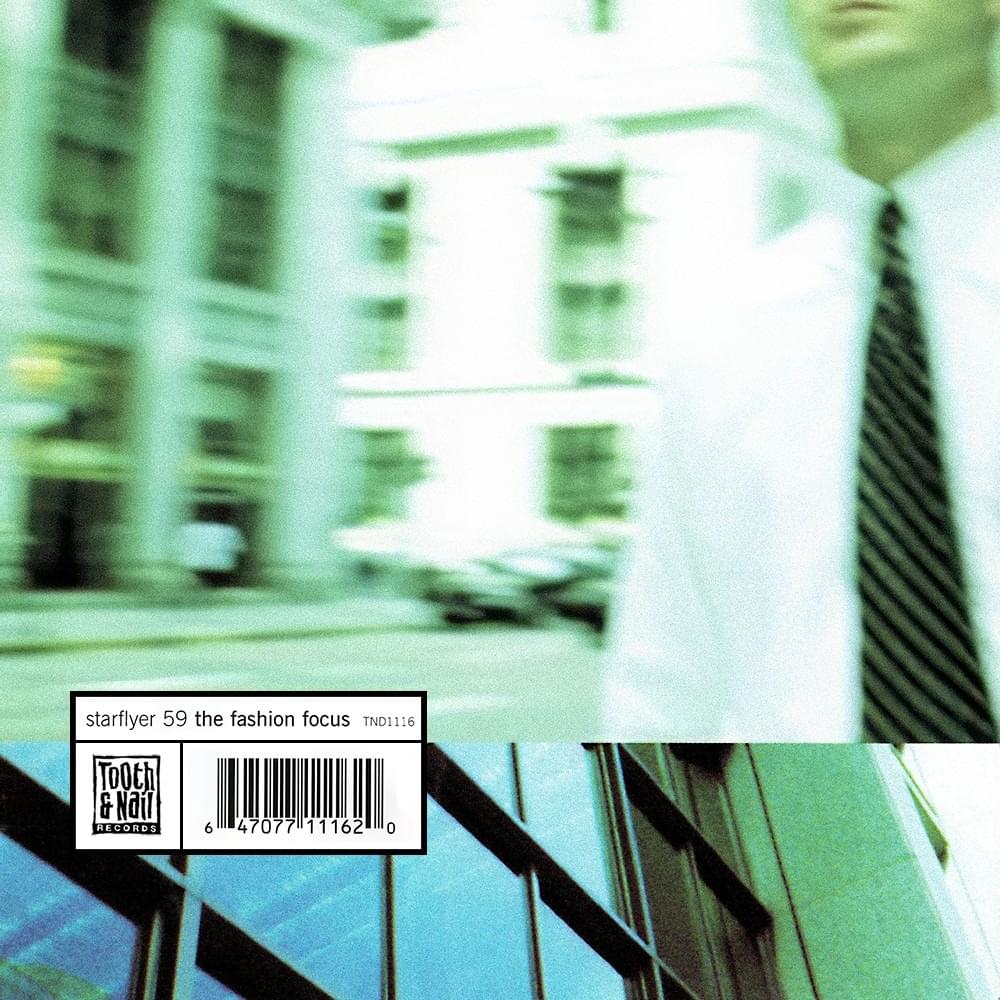
 View Artist