Song Meaning
The lyrics paint a vivid picture of someone adrift, caught in a cycle of avoidance and distraction. The opening lines, "Dreaming, drifting / Sailing without destiny," immediately establish a sense of aimlessness. The narrator is actively "Drawn to fiction / Avoiding my own misery," suggesting a conscious effort to escape internal pain through external narratives, whether reading or writing. This pursuit of answers through pages ultimately fails, as "distractions lead me astray," highlighting a core tension between the desire for clarity and the inability to achieve it.
This internal struggle culminates in the repeated declaration of "great confusion." The narrator grapples with a mind that feels "far out of control," lacking "rhyme or reason." This state leaves their life feeling stagnant, "on hold," a stark contrast to the "million dreams and bittersweet illusions" that populate their thoughts. The central conflict is the desperate search for direction – "Where's my focus? / Where's my life?" – against a backdrop of overwhelming internal chaos and unfulfilled aspirations.
The most striking aspect of the craft is the juxtaposition of active verbs with passive outcomes. Phrases like "Reading, writing" and "Seeking answers" imply agency, yet they are immediately undercut by the result: "distractions lead me astray." Similarly, the desire to "lay myself down to rest" and "Get healed by sleep" presents a potential solution, but it's framed as a temporary respite from a "miserable test," not a true path forward. This creates a sense of being trapped in a loop, where even attempts at escape or recovery are tinged with the pervasive sense of confusion and futility.
Ultimately, the effectiveness of these lyrics lies in their raw, unvarnished portrayal of mental paralysis. The simple, direct questions in the chorus resonate because they articulate a universal feeling of being lost amidst life's complexities and internal turmoil. The repetitive structure, particularly the insistent return to "great confusion," mirrors the cyclical nature of the narrator's struggle, making the feeling of being stuck palpable and deeply relatable without resorting to broad generalizations.
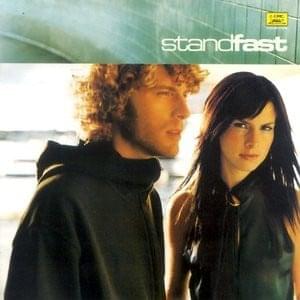
 View Artist