Song Meaning
The lyrics paint a picture of profound searching, a yearning for belonging and permanence. The narrator repeatedly asks "Is there a home, a home for me?", establishing a tone of deep uncertainty and a desire for a stable, eternal place. This isn't just about a physical location; it's a quest for an ultimate sense of peace or acceptance. The imagery of a "road that winds up / Underneath the big green tree" suggests a path toward this elusive home, perhaps a natural, grounding destination.
The central tension lies between this desperate search and a growing doubt, articulated by "I don't know anymore...". The narrator questions if this home exists anywhere, even in abstract realms like "out in space, or inside a sound." This broadens the scope of the search, indicating a spiritual or existential longing rather than a simple need for shelter. The contrast between the imagined "swinging door" of a welcoming room and the current state of not knowing highlights the emotional distance from their desired state.
A striking element is the shift from abstract questioning to a specific, intimate memory. The narrator recalls dreaming of someone on a pier, feeling their "presence in the sand" and hearing whispers. This sensory recollection offers a fleeting glimpse of connection, a potential answer or comfort. The whispered words, "accept just what you do," seem to be a guiding principle offered by this remembered presence, suggesting that self-acceptance might be the key to finding that home.
Ultimately, the effectiveness of these lyrics stems from their raw vulnerability and the relatable human desire for a place to belong. The repetition of the core questions, coupled with the intimate memory, creates a powerful emotional arc. It’s the contrast between the vast, uncertain search and the specific, gentle memory that makes the plea for a "home" feel so poignant and deeply felt.
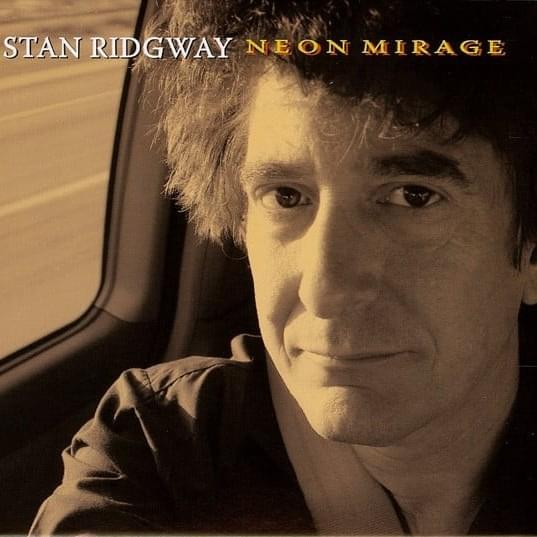
 View Artist