Song Meaning
The "lyrics" for "Opus in Pastels (1959)" are starkly direct: "[Instrumental]". This immediately tells the listener that the piece communicates without words. It's a clear signal to prepare for a different kind of engagement. The absence of a narrative voice shifts the focus entirely.
Without a lyrical narrative, any emotional tension or conflict must arise purely from the musical composition itself. The explicit declaration of "instrumental" means the artist intentionally eschewed verbal storytelling. This choice creates a unique tension, inviting the listener to project their own feelings onto the soundscape rather than being guided by specific words.
The most compelling craft element here is the deliberate omission of lyrics. This isn't just a lack of words; it's a statement. It forces the music to carry all the weight of expression, relying on melody, harmony, rhythm, and texture alone. The "lyrics suggest" a confidence in the music's ability to stand on its own.
The effectiveness of these "lyrics" lies in their absolute clarity and the space they create. By explicitly stating "[Instrumental]", the piece immediately defines its own terms. It challenges the listener to find meaning in the non-verbal, making the experience deeply personal and open to individual interpretation. This directness is a powerful artistic choice.
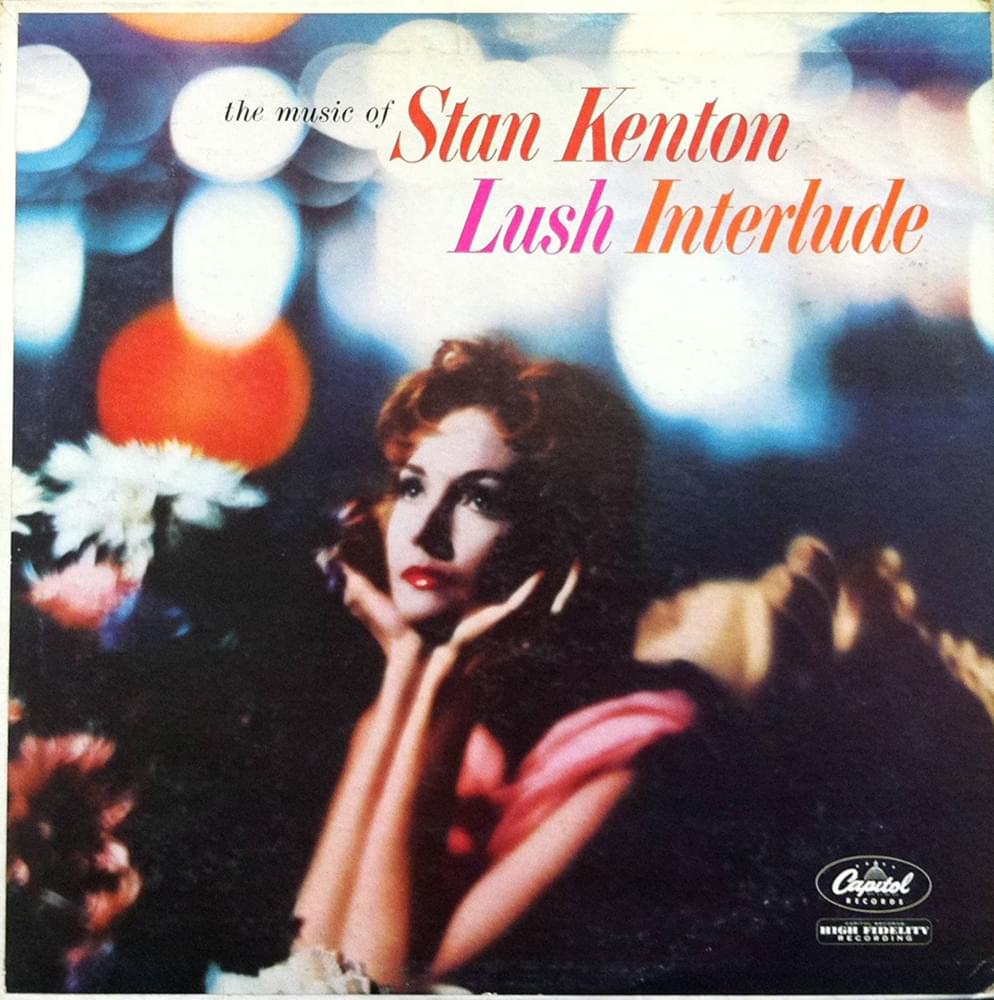
 View Artist