Song Meaning
The lyrics paint a vivid picture of a past romance set in the narrow streets of "Stou Profit’ Ilia." The narrator recalls filling their lover's hair with kisses and adorning their apron with stars, painting a scene of idyllic affection and shared moments under the evening sky. The repetition of "τα σοκάκια, τα σοκάκια" emphasizes the intimacy and familiarity of these cherished locations, where the lover's smile and expressed love were palpable.
This idyllic past is sharply contrasted with the narrator's present loneliness and sorrow. The phrase "τώρα στην καρδιά μου το μαράζι" (now in my heart, the ache) and "κι ο καημός φωλιάζει" (and the longing nests) convey a deep, settled sadness. The narrator is left alone, "μόνος μου δίχως ταίρι" (alone without a partner), desperately seeking solace and yearning for the return of their lost love and the happiness they once shared.
The most striking aspect of the writing is the juxtaposition of the celestial imagery used to describe the past with the grounded, heavy emotions of the present. The lover's apron was "μ' άστρα" (with stars), elevating their presence to something cosmic and magical. Now, that magic has faded, replaced by a profound emptiness and a plea for the past to reappear "σαν και πρώτα" (like before) in their old neighborhood. The structure, with its repeating verses and the stark shift to the lament in the bridge, effectively mirrors the narrator's cyclical dwelling on lost happiness.
This lyrical construction makes the song's emotional impact so potent because it grounds abstract feelings of loss in specific, sensory memories. The detailed recollections of shared walks and smiles in a particular place make the current absence feel all the more acute. The simple, direct language of longing and loneliness resonates because it’s built upon the foundation of such tender, almost dreamlike, past experiences.
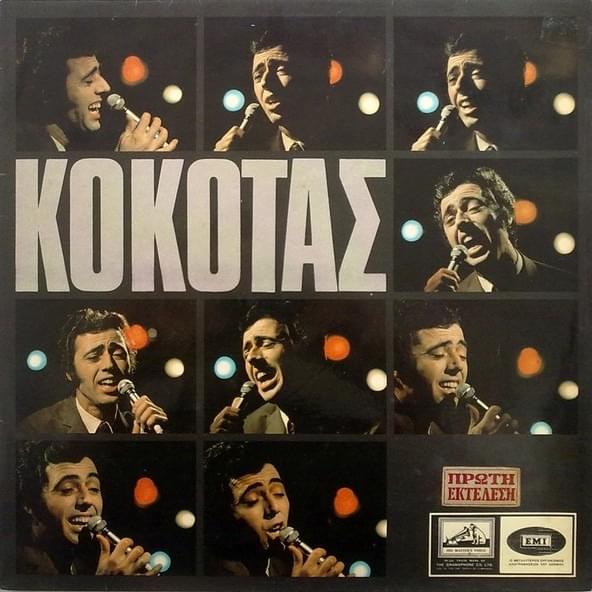
 View Artist