Song Meaning
This song paints a stark picture of a love that's fundamentally mismatched, even after experiencing many other relationships. The narrator asserts that no matter how many loves someone encounters, they won't truly connect with any of them. This disconnect is attributed to the beloved having left their heart within the narrator's own, suggesting a deep, perhaps inescapable, emotional entanglement that prevents them from finding fulfillment elsewhere. It’s a declaration of a unique, almost fated, bond that defines the other person's romantic landscape.
The core tension lies in the contrast between the beloved's external search for love and their internal, unacknowledged connection to the narrator. The lyrics question the sincerity of past relationships, asking "How many loves didn't cry together?" and referencing the "bitterest cup of separation." This implies a pattern of heartbreak and failed connections, suggesting the beloved is perpetually seeking something they’ve already left behind. The imagery of "sun has tilted" and coming "with hail" then leaving "with rain" further emphasizes a fleeting, perhaps destructive, presence.
The most striking craft element is the powerful metaphor of the heart being left behind. The line "You've forgotten your heart / Inside my heart" is incredibly potent, suggesting a profound intimacy that has become a cage. This isn't just about lingering feelings; it's about a literal displacement of one's emotional core. The repeated refrain about tears and separation, coupled with the urgent "Take off the marks of your lips, don't delay," creates a sense of impending finality and regret, amplified by the visual of the setting sun.
Ultimately, the lyrics resonate because they articulate a specific kind of romantic paralysis. It's not just about unrequited love, but about a love so deeply intertwined that it prevents genuine connection elsewhere. The narrator’s voice is both accusatory and resigned, highlighting the futility of the beloved's search and the inescapable nature of their shared past. The writing effectively uses stark imagery and direct pronouncements to convey a sense of profound, almost tragic, incompatibility rooted in an overwhelming, shared history.
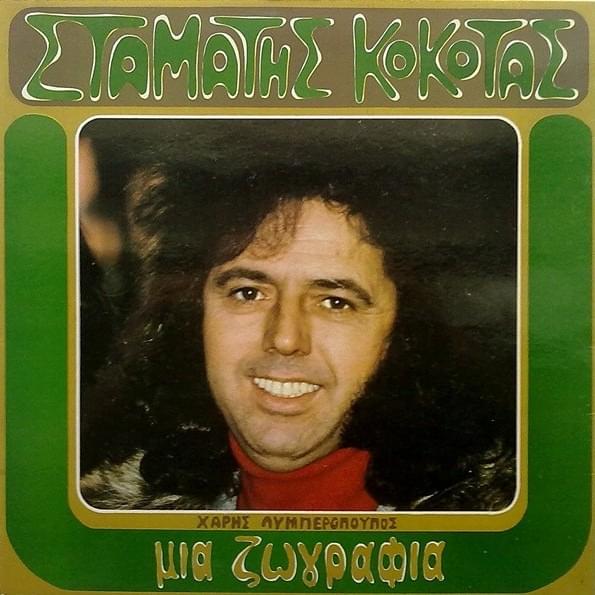
 View Artist