Song Meaning
The narrator stands at a precipice, caught between utter collapse and potential salvation. The opening lines establish a stark duality: "one step from a breakdown" versus "two steps from being saved," and "three steps from this nightmare" against "four steps from the door." This precarious balance suggests an immediate, almost physical proximity to both ruin and escape, with the outcome hinging on someone else's actions: "The rest is up to you." This sets a tone of desperate dependency mixed with an urgent need for self-preservation.
The core tension arises from the narrator's inability to engage with another person's reality or beliefs. The repeated plea, "Pardon me," functions as a preemptive apology for disengagement. It's a polite but firm declaration of an inability to "listen to the things you say" or "fake it while you still believe." This suggests a fundamental disconnect, where the narrator's internal state is so fragile or divergent that they must withdraw, even if it means causing offense or appearing insincere.
The lyrics cleverly employ a mirrored numerical structure to illustrate this push and pull. In Verse 1, the steps lead away from the nightmare and towards an exit. Verse 2 flips this, placing the narrator "one step from forgiveness" and "two steps from my grave," but still "four from the devil's door." This suggests that even paths toward redemption or escape are fraught with peril and proximity to damnation. The phrase "On a path that leads to you" adds a layer of complexity, implying this internal struggle is intrinsically linked to a specific relationship.
Ultimately, the song's power lies in its raw depiction of emotional exhaustion and the need for boundaries. The narrator isn't necessarily choosing to abandon someone, but rather acknowledging an overwhelming internal imperative to protect themselves. The final lines, "I'm two steps from salvation / But I'm only taking one," encapsulate this self-protective instinct. It's a poignant admission that even when salvation is within reach, the immediate need for personal space and mental fortitude dictates a slower, more cautious approach, hence the repeated, almost resigned, "Pardon me."
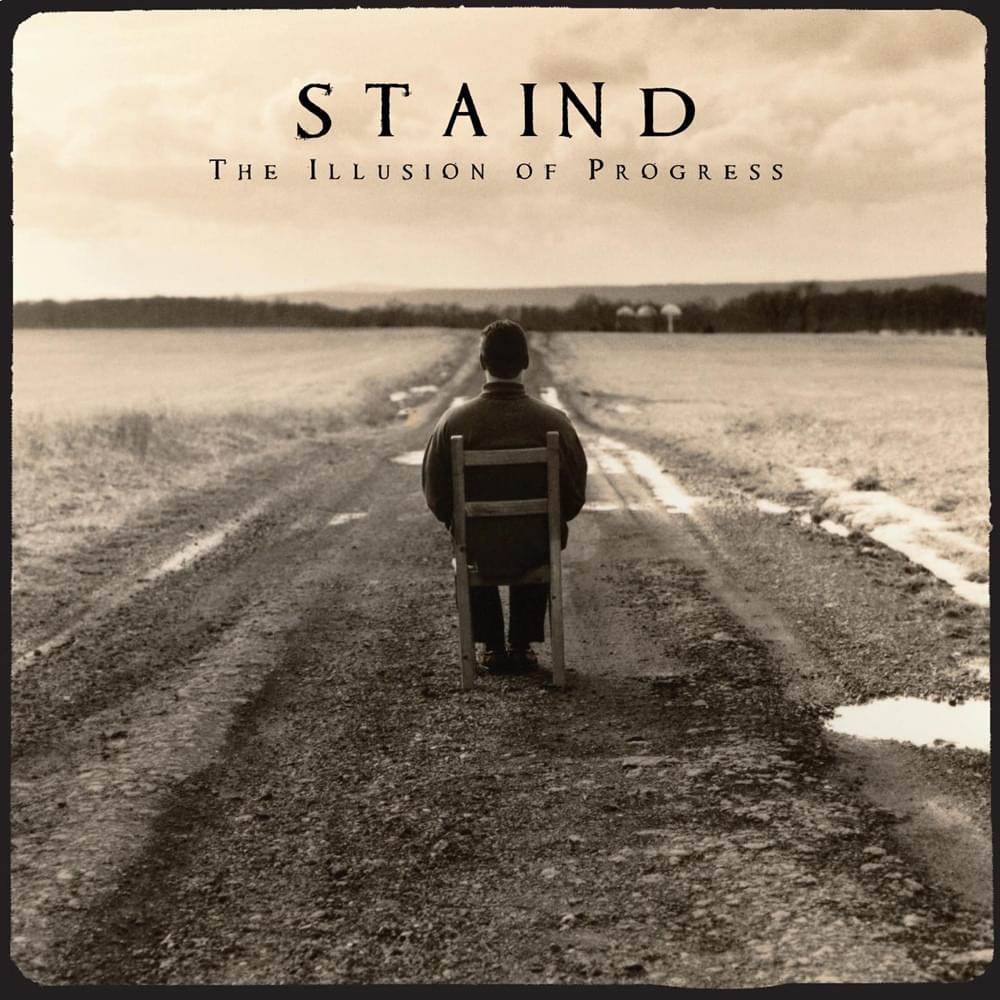
 View Artist