Song Meaning
The lyrics paint a stark picture of stagnation, beginning with a view from a window that offers only a "muro di fronte" – a wall directly ahead. This immediate image sets a tone of confinement, amplified by "nuvole nere e il vento / Che le confonde," suggesting a bleak and uncertain atmosphere. The repeated "Vai vai vai e non voltarti mai" acts as a desperate, almost frantic, plea for escape, a command to break free from this oppressive reality. It's a call to action against a backdrop of inertia.
The central tension lies in the struggle between the desire for departure and the paralyzing grip of habit and doubt. The narrator observes a "donna sola / Stanca di un uomo / Che non e' mai in casa," a figure trapped by a life of absence and routine. The lyrics explicitly state, "Che la vita e' cosi' non te la senti di partire / E poi ti penti," highlighting the painful cycle of missed opportunities and subsequent regret. This internal conflict is palpable, a constant push and pull between the impulse to flee and the fear of the unknown.
A striking element is the recurring image of the "macchina rossa in fondo al viale" – a red car at the end of the street. Initially, it represents a tangible chance for escape, a symbol of imminent departure: "Tra un minuto e stavolta lei certo partira'." However, this hope is ultimately dashed. The car, much like the woman's resolve, "non partira'." This cyclical narrative, where the moment of potential change arrives but fails to materialize, underscores the profound difficulty of breaking free from deeply ingrained patterns.
The effectiveness of these lyrics stems from their grounded portrayal of internal paralysis. The narrator's observations of the woman, her routine of adjusting makeup, greeting her dog, and leaving bread for a bird, are mundane details that amplify the weight of her indecision. The sudden ringing of the phone – "Ma il telefono suona torna a casa" – signifies the return of the familiar, the very thing she might have sought to escape, ultimately trapping her courage "sulle scale." The final, definitive statement, "E il suo coraggio e' sulle scale / Quella macchina rossa in fondo al viale / Tra un minuto ma lei non partira' / No non partira'," leaves the listener with a heavy sense of anticlimax and the quiet tragedy of a life unlived.
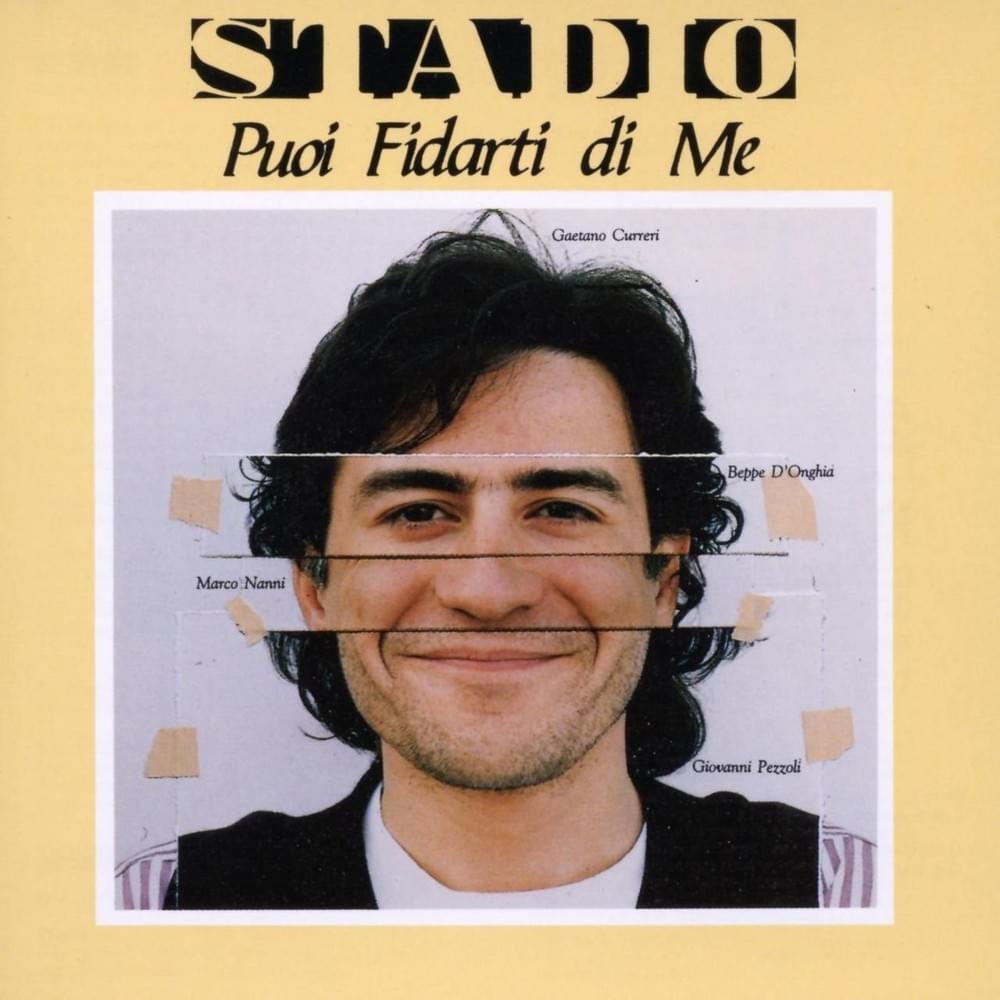
 View Artist