Song Meaning
The lyrics paint a picture of a relationship fractured by past betrayals and a lingering, almost detached affection. The opening lines, "Fermati rimani, come non vedi piu'?" (Stop, stay, how do you not see anymore?) immediately establish a sense of frustration and disbelief, as if the narrator is pleading with someone who has become willfully blind to the reality of their situation. There's a sense of past delusion, with "Avevi delle strane idee su gli uomini!" (You had strange ideas about men!), suggesting a naive or misguided perspective that has now crumbled. The narrator observes the other person searching "in stanze vuote, i tuoi gemiti" (in empty rooms, your moans), a stark image of internal turmoil and unfulfilled desire.
The central tension lies in the narrator's profound disillusionment, articulated by the repeated refrain, "Fai quello che vuoi tanto non ti credo piu'" (Do what you want, I don't believe you anymore). This isn't a plea for change, but a weary resignation. The narrator acknowledges the other person's past actions, "Le cose che facevi nei gesti ricordavi" (The things you did, you remembered in gestures), but these memories now feel distant and insignificant, leading to the poignant declaration, "E per me quasi non esiste piu'" (And for me, it almost doesn't exist anymore). The phrase "La colpa che tu eri" (The fault that you were) is particularly striking, suggesting that the very essence of the person, their past self, is the source of the problem, a burden that has suddenly fallen upon the narrator.
The lyrics employ a fascinating contrast between the external world and the internal emotional landscape. While the narrator describes a seemingly calm morning, "Si e' proprio un bel mattino, cosi' avanziamo" (It's really a beautiful morning, so we advance), the feeling is one of being "Sospesi come firmamenti immobili" (Suspended like immobile firmaments). This stillness is juxtaposed with the other person's talk of a "mondo colpito a freddo" (world hit by cold), a detached observation of external chaos. Yet, even in this detachment, the narrator notes a flicker of warmth: "Ma i tuoi occhi / Scaldano lo stesso mentre guardano" (But your eyes / Still warm as they look). This subtle observation hints at a complex emotional residue, a warmth that persists despite the profound disconnect and the narrator's stated disbelief.
Ultimately, the effectiveness of these lyrics stems from their raw portrayal of emotional exhaustion and the quiet devastation of lost trust. The narrator isn't angry or accusatory; they are simply past the point of caring about the other person's actions or words. The repetition of "non ti credo piu'" hammers home this finality. The striking image of the other person's past self being the "colpa" (fault) and then suddenly being "Adesso fra le braccia mie" (Now in my arms) creates a powerful, almost ironic conclusion, suggesting a lingering, perhaps unwanted, intimacy that exists in the ruins of what was.
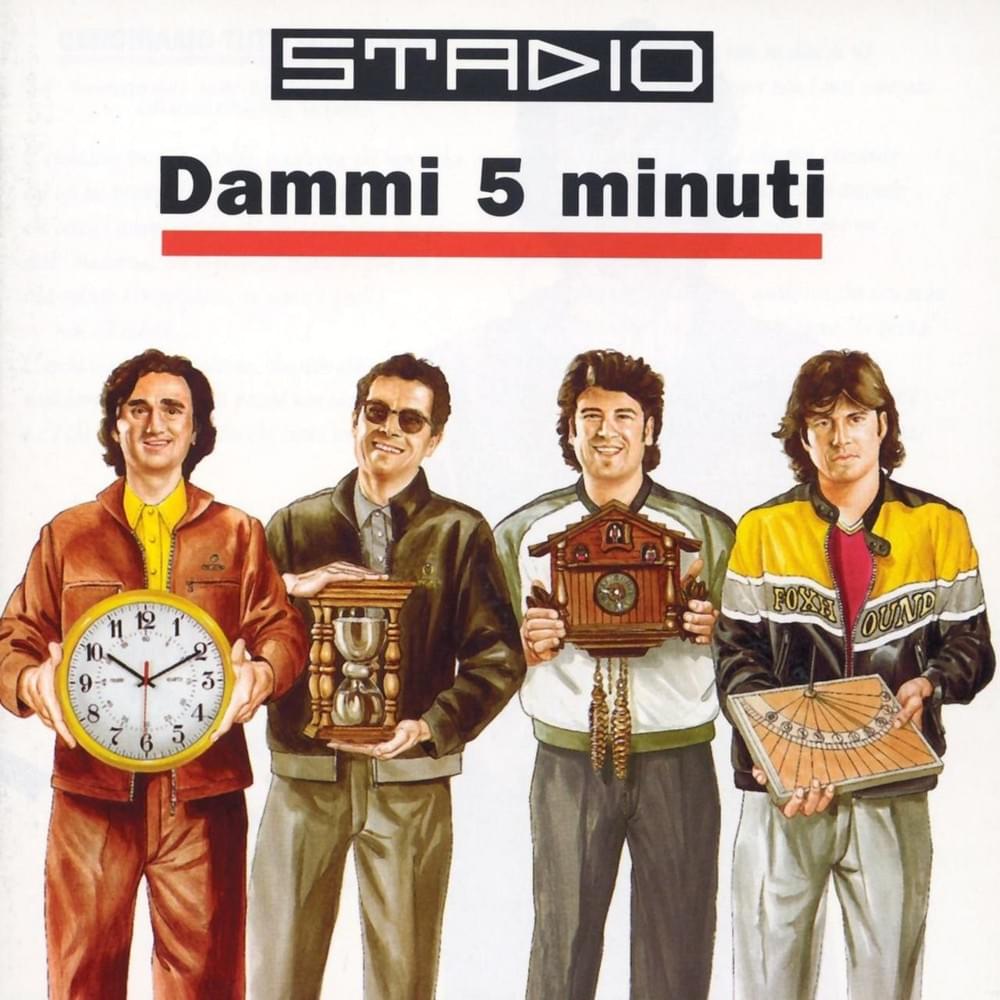
 View Artist