Song Meaning
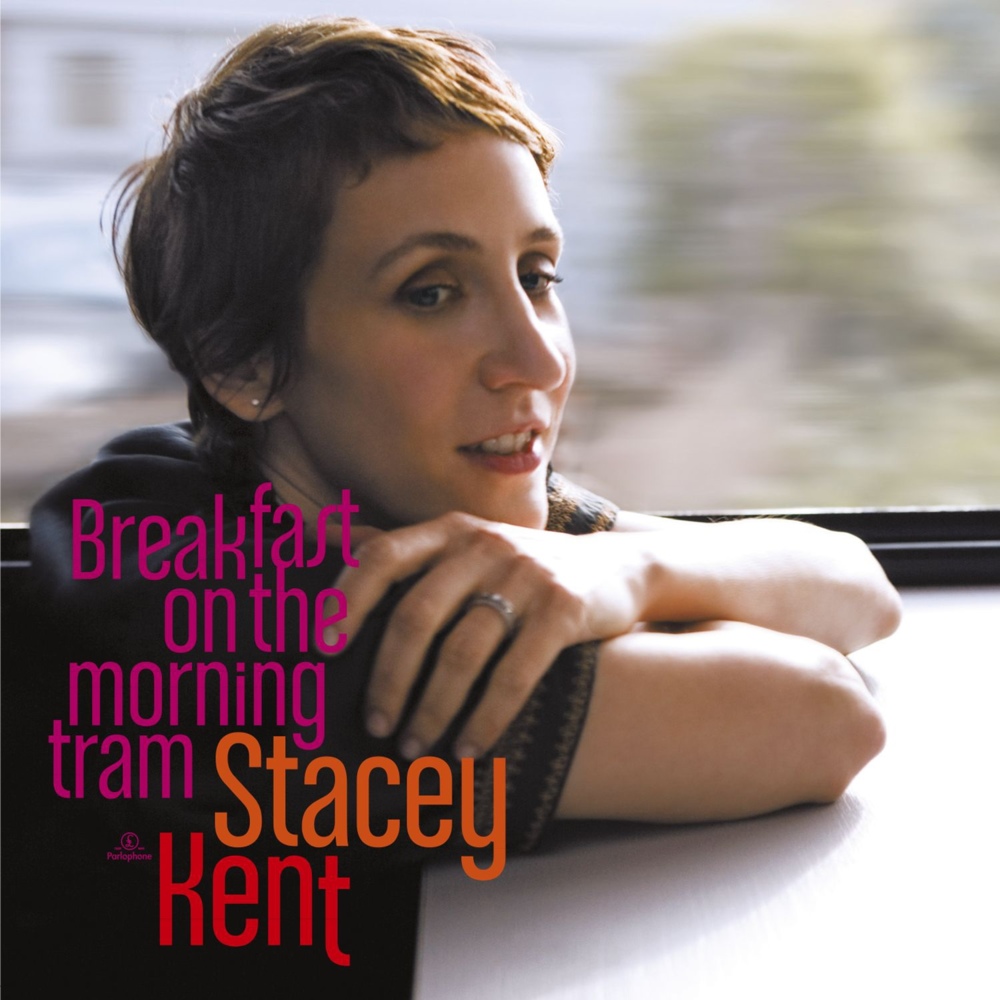
Stacey Kent's interpretation of "Landslide" isn't just a cover; it's a delicate excavation of the song's core anxieties. Stripped of Stevie Nicks' more overt folk-rock sensibilities, Kent’s rendition whispers its existential questions rather than belting them out. The core theme, as always, revolves around the terrifying yet inevitable march of time and its impact on love and self. The lyrics speak of a love taken “down,” suggesting a deliberate act of introspection, a journey to the base of something fundamental. Climbing the mountain and seeing a reflection in the snow-covered hills represents confronting one's own image against the vast, indifferent backdrop of existence. This reflection, however, is fragile, threatened by the “landslide” – a metaphor for the sudden, destructive forces of change and aging that can obliterate the carefully constructed self. The symbolic landslide suggests the precariousness of identity, especially when intertwined with another person.
The repeated questioning – “What is love? Can the child within my heart rise above? Can I sail through the changin' ocean tides? Can I handle the seasons of my life?” – exposes a deep vulnerability. The childlike heart symbolizes innocence and perhaps a naive belief in the permanence of things. The ocean tides and seasons of life represent the unpredictable and cyclical nature of existence, challenging the speaker's ability to maintain equilibrium. Kent's phrasing highlights the inherent struggle to reconcile youthful ideals with the realities of aging and the shifting sands of relationships. The fear of change, explicitly stated, stems from the speaker's identity being inextricably linked to another person. This co-dependent structure, while initially providing security, becomes a source of anxiety as the individual recognizes the need for personal growth and autonomy.
However, the line “time makes you bolder” offers a glimmer of hope. It acknowledges that aging, while daunting, can also be a catalyst for courage and self-discovery. Even children grow older, implying that change is an unavoidable and natural process. The repetition of “I’m getting older too” emphasizes the speaker's acceptance of this reality, albeit tinged with a hint of melancholy. The concluding verses reiterate the initial imagery of taking love down and the ever-present threat of the landslide. The song meaning, in Stacey Kent’s reading, settles into a bittersweet acceptance of life's impermanence. It's a quiet acknowledgement that love and self are constantly being reshaped by the forces of time, and that true strength lies not in resisting change, but in navigating it with grace and a willingness to confront one's own reflection, even when the ground beneath feels unstable.
 View Artist