Song Meaning
The lyrics open with a brutal accusation: the former partner has "grown to hate me" even more than they hate themselves. This sets a deeply confrontational tone, as the speaker questions the utility of sharing such intense negativity with someone new. It's a raw, direct challenge to a past relationship's fallout.
The core tension revolves around the repeated, skeptical question: "Are you really happy?" This isn't a genuine inquiry but a loaded challenge, implying the speaker believes the answer is no. The narrator suggests the ex chose to abandon their shared life, not for joy, but to perpetuate their own unhappiness. The speaker seems convinced that the ex's current state is merely a continuation of past patterns, not a true escape.
The speaker employs a series of rhetorical questions that cut deep, probing the ex's new relationship. Queries about whether the new partner offers adoration or makes them feel "beautifully complete" drip with sarcasm, hinting at unfulfilled desires. The most potent line, "Old demons haunt your sleep?", suggests the ex's unhappiness is an internal, inescapable condition, not something a new partner can fix.
These lyrics are effective because they tap into the bitter, lingering doubts that often follow a painful breakup. The speaker's progression from initial hurt to a final, cynical judgment – "I believe you / Thrive on misery" – creates a compelling narrative arc of disillusionment. It's a portrait of someone grappling with betrayal, not by seeking closure, but by dissecting the perceived flaws and inevitable unhappiness of the person who left.
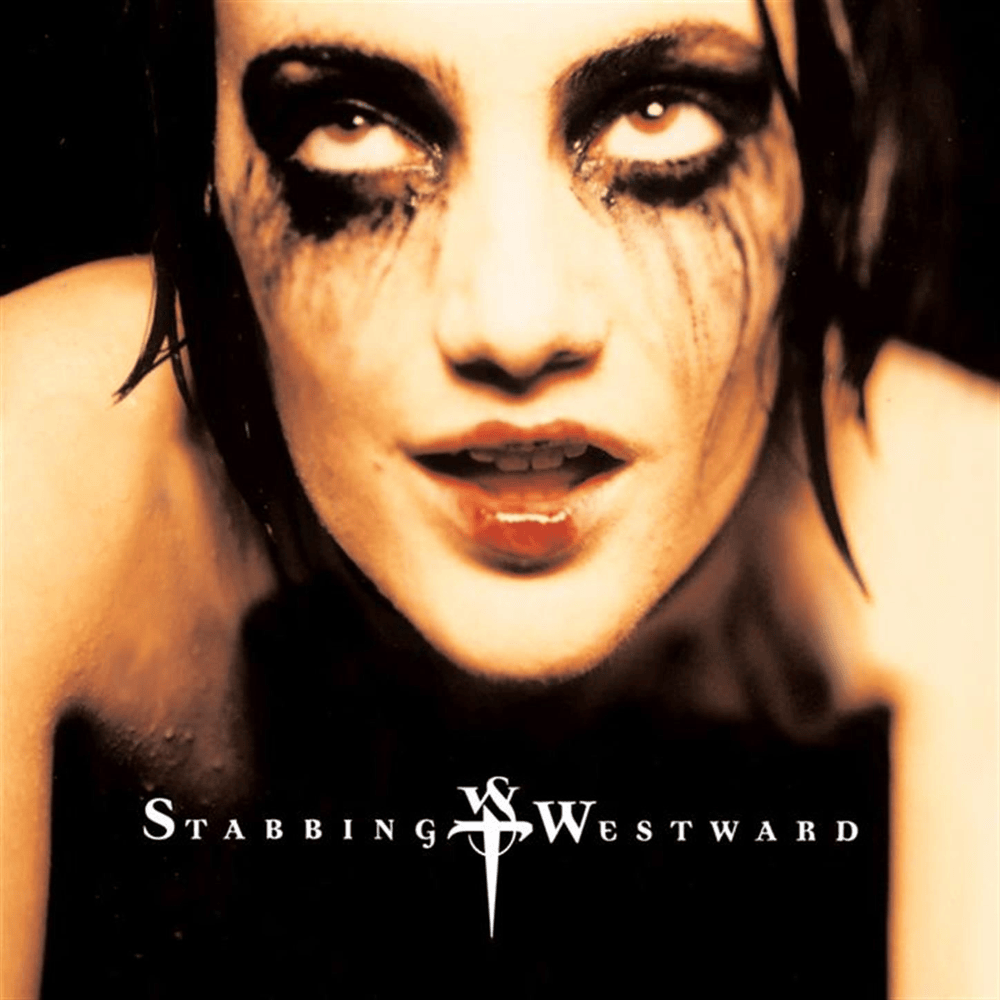
 View Artist