Song Meaning
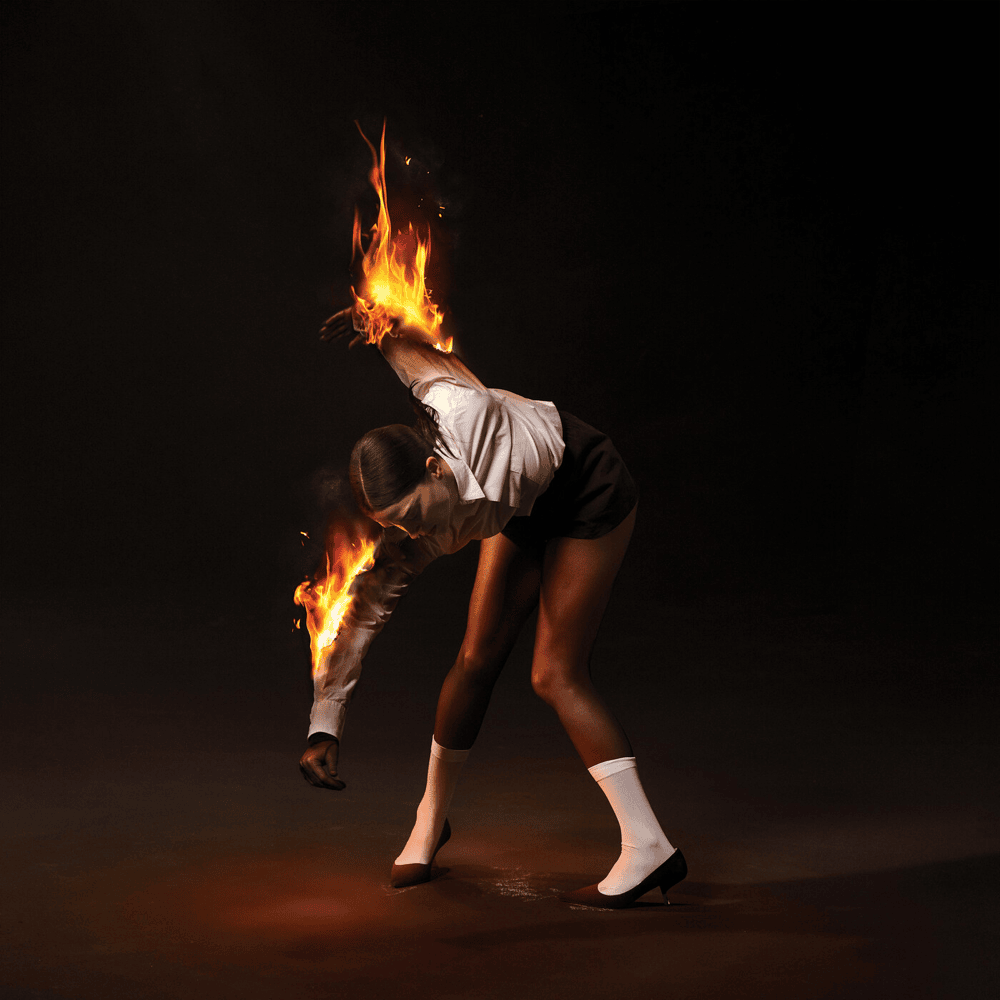
St. Vincent's "The Power's Out" plunges us into a chillingly familiar dystopia, a society unmoored by a sudden, catastrophic loss of infrastructure. It’s not just about the electricity grid failing; it's the failure of the systems—social, political, perhaps even spiritual—that hold us together. Annie Clark paints a vivid picture of urban chaos, a Monday morning subway scene turned apocalyptic when the lights go out. The lyrics aren't dwelling on the practicalities of a blackout, but instead zeroing in on the psychological fallout. The line 'The power's out across the nation' is less a news report, more a trigger for collective existential dread. The 'man on my screen' being shot and the 'queer on the train' jumping off the platform are not literal events as much as hallucinatory anxieties bubbling up when the veneer of order is stripped away.
The pre-chorus sections of "The Power's Out" deliver the most unsettling imagery, snapshots of humanity confronting its own fragility. These aren’t just random acts of violence or despair; they’re symbolic breaks, desperate attempts to reclaim agency in a world spiraling out of control. The phrase, 'Ladies and gentlemen, it seems we got a problem' is repeated with a slight variation in each pre-chorus, acting as a grim refrain, a reminder of the ever-present sense of impending doom. The reactions—mothers gasping, children crying, blind folks holding the police—highlight the universality of the fear. It's a collective unraveling, a shared trauma experienced across different demographics.
The chorus, stark and repetitive, hammers home the core message: 'The power's out, and no one can save us.' This isn't simply a lament; it's a radical acceptance of helplessness. The crucial line, 'No one can blame us now,' suggests a liberation within the chaos. With societal structures collapsing, the pressure to conform, to perform, to maintain the facade of normalcy dissolves. The final line, 'That's why I never came home,' speaks to a complete severing of ties, a conscious decision to abandon the old world and embrace the unknown, perhaps even a descent into a kind of madness born of unprecedented freedom and terror.
 View Artist