Song Meaning
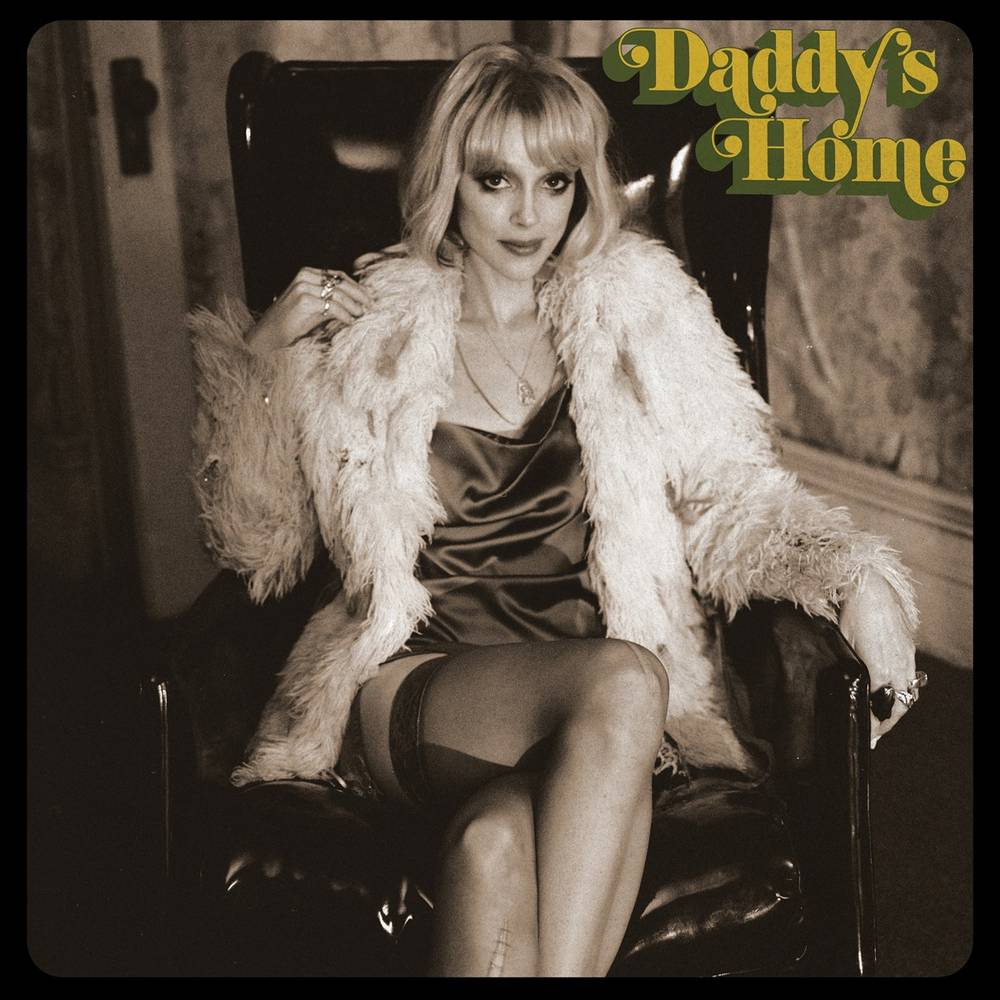
St. Vincent's "Daddy's Home" isn't just a title; it's a chilling mantra, a declaration pregnant with complex layers of familial and personal reckoning. The song circles around the return of a father figure from incarceration, but it quickly transcends a simple narrative of reunion. It's about inherited traits, the sins of the father, and the uncomfortable truth that we often become what we fear or resent. The opening lines, "I signed autographs in the visitation room / Waitin' for you the last time, inmate 502," immediately establish a disorienting power dynamic. The narrator, seemingly successful ("fine Italian shoes"), is nevertheless bound to this figure, diminished by his presence, forever marked by the shared experience. The seemingly triumphant refrain, "Daddy's home," becomes increasingly ironic, a suffocating reminder of inescapable history.
Annie Clark, the artist behind St. Vincent, uses potent imagery to explore this inheritance of character. The line, "We're all born innocent, but some good saints get screwed," suggests a deterministic view of fate, where inherent goodness is vulnerable to corruption. The subsequent question, "Well, hell, where can you run when the outlaw's inside you?" is the crux of the song's meaning. It acknowledges that the father's transgressions aren't just external events but have become internalized, shaping the narrator's own psyche. The "government green suit" and the "Bible with the pages stuck like glue" further highlight the themes of institutional confinement and moral stagnation. These aren't just literal descriptions; they're metaphors for the psychological prison we build for ourselves, often mirroring the limitations of our upbringing.
Ultimately, "Daddy's Home" is a masterful exploration of the cyclical nature of trauma and the blurred lines between victim and perpetrator. It's about the uneasy recognition that we are, in some ways, destined to repeat the patterns of our past, even as we desperately try to break free. St. Vincent doesn't offer easy answers or sentimental resolutions. Instead, she leaves us with a lingering sense of unease, forcing us to confront the uncomfortable truth that "daddy's home" – and he's also, disturbingly, inside us.
 View Artist