Song Meaning
The lyrics paint a picture of a relationship caught in a relentless cycle of emotional highs and lows. The opening lines immediately establish this pattern with a rapid-fire list of opposing experiences: "Heartbreaks, setbacks, breakups, makeups," followed by the overwhelming repetition of "love, love, love, love, love." This juxtaposition highlights the exhausting push-and-pull that defines the relationship, suggesting a constant state of flux where intense affection is always shadowed by pain and conflict. The narrator acknowledges this tumultuous reality but insists on perseverance, underscored by the phrase "But still try, try try."
The central tension lies in the struggle to maintain love amidst these recurring difficulties. The narrator proposes that these "heartbreaks" and "setbacks" might actually be opportunities for clarity, a chance "to see" and "figure out where we're supposed to be." This perspective reframes the negative experiences not as endpoints, but as potential catalysts for growth and understanding. The commitment to keep the "love stop flowing" indicates a deep-seated desire to salvage the connection, even when faced with the overwhelming evidence of past failures.
A key craft element is the deliberate use of contrasting pairs and the insistent repetition that drives the emotional core. Phrases like "breakdowns, buildups, knock downs, broke down" mirror the opening sequence, reinforcing the cyclical nature of their struggles. Yet, this is countered by the persistent "try, try, try" and the hopeful refrain about finding where they "supposed to be." The lyrics suggest that the very act of trying, despite knowing they "tried way too hard to find / A love that's really blind," is what keeps the possibility of a meaningful connection alive. It’s a testament to enduring hope against the backdrop of repeated disappointment.
Ultimately, the effectiveness of these lyrics stems from their raw honesty about the messy, often painful reality of relationships. The narrator doesn't shy away from the "heartbreaks" and "setbacks," but instead uses them as the very foundation for a plea to keep going. The insistence on trying, the belief that even difficult moments can lead to "truth," and the commitment to not let love cease are what make this a compelling portrayal of resilience. It’s this delicate balance between acknowledging the pain and holding onto hope that resonates, suggesting that love worth fighting for is often found on the other side of struggle.
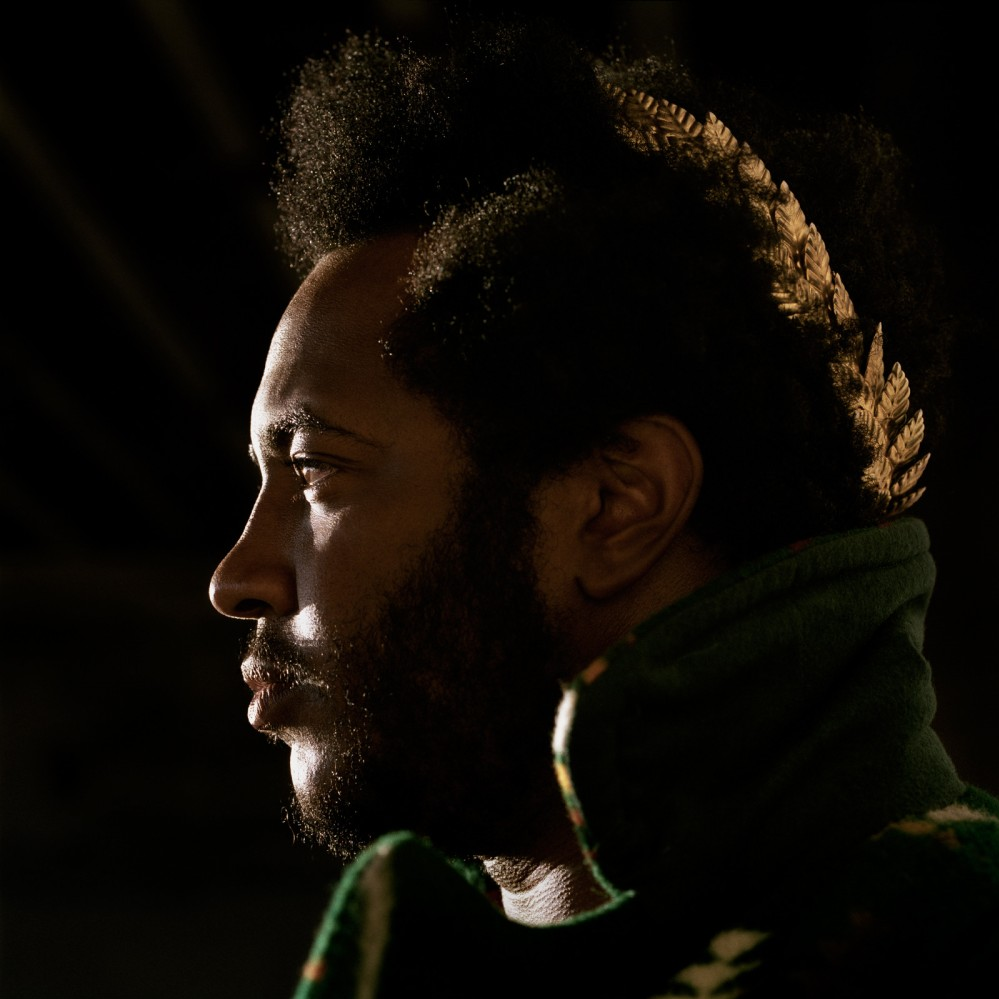
 View Artist