Song Meaning
The lyrics paint a picture of impending departure, set against a backdrop of changing weather and rural routine. A flapping flag and the hint of rain establish a somber, unsettled mood. The image of a tractor moving across a field grounds the scene in a sense of ongoing, perhaps indifferent, labor. This quiet, almost observational tone creates a stark contrast with the internal urgency of the chorus.
The central tension lies in the narrator's inexplicable need to leave. The question "why must you go?" hangs unanswered, highlighting a sense of forced or unchosen departure. The juxtaposition of global locations – "Moscow it's 3:15, in New York let's see a show" – emphasizes the vast distance and disconnect, while the immediate environment is "cold too cold for me." This feeling of being out of sync with the surroundings intensifies the personal imperative to leave.
The lyrics subtly shift from external observation to internal turmoil. Verse 2 notes a farmer who "looks as though he's pleased" with the storm, a detail that seems to highlight the narrator's own lack of contentment. By Verse 3, the focus turns inward: "The path waits in my mind," and the narrator's "heart commits a crime." This internal conflict, the mind knowing the path but the heart acting against it, suggests a decision that feels wrong or guilt-ridden.
This internal struggle, framed by the mundane yet evocative rural imagery and the stark, unelaborated command "I must go," creates a potent sense of melancholy. The writing doesn't explain the reason for leaving, forcing the listener to feel the weight of that unexplained necessity. The contrast between the external world continuing its rhythm and the narrator's internal crisis is what makes the feeling of departure so palpable and affecting.
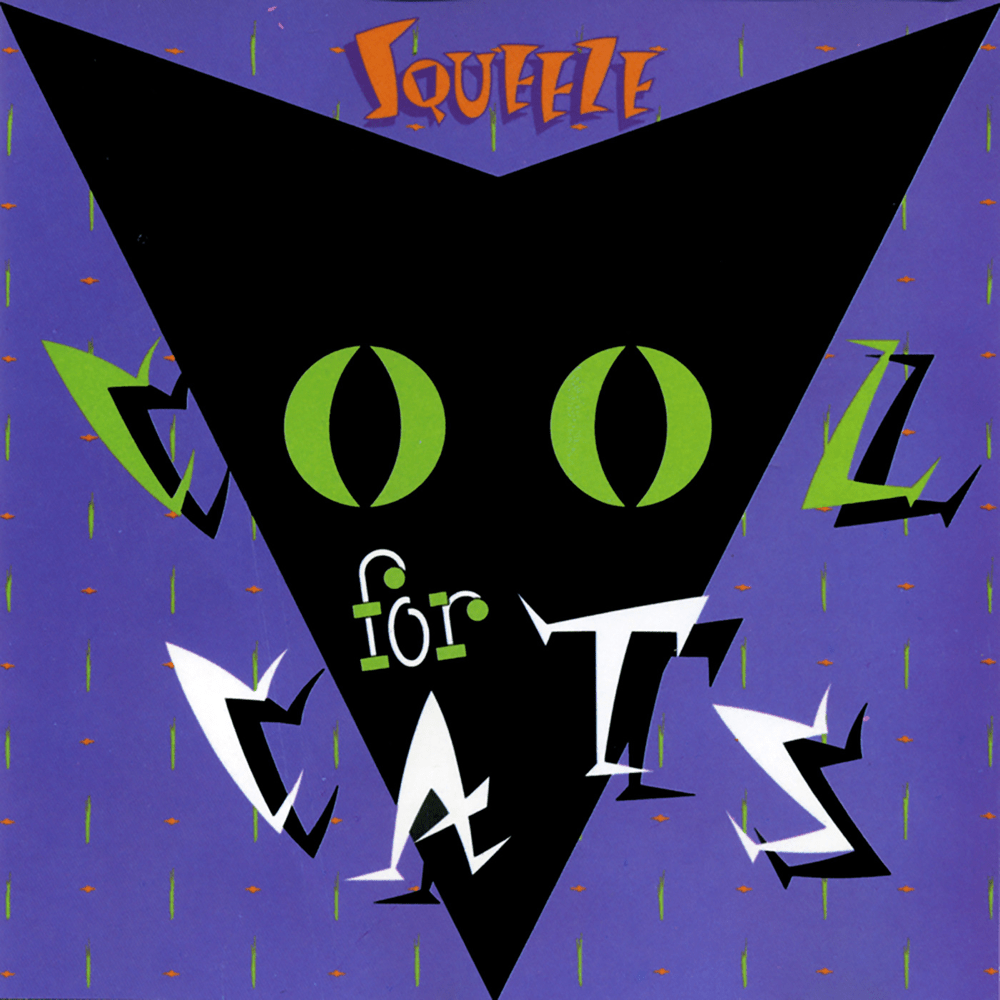
 View Artist