Song Meaning
The narrator immediately confesses to being "bonkers," a state where "stupidity conquers" and they "know not what I do." This sets a tone of self-aware chaos, where a "cunning behaviour" seems to hijack their emotional landscape, trapping them in an "emotional cage." The imagery of a "volcano blows" and "eruptions" suggests explosive, uncontrollable outbursts that disrupt even intimate moments, like holding "the duvet down." The narrator admits to trying to "push my weight around," hinting at aggressive or overwhelming actions stemming from this internal turmoil.
The lyrics present a core tension between the narrator's self-acknowledged "bonkers" nature and a desperate plea for understanding and forgiveness. They ask for someone to "witness / This act of forgiveness," suggesting a desire for external validation or absolution, particularly from "her." The "sad case" and "mouse in the rat race" imagery paints a picture of helplessness and a yearning for escape, even if that escape is as simple as being offered "the cheese." This highlights a conflict between their chaotic internal state and a desire for a more stable, perhaps even simple, existence.
A striking piece of craft is the juxtaposition of crude, visceral imagery with artistic and intellectual references. The narrator compares breasts to "woodpeckers nests" and mentions "brains in my pants" creating "milli amps" of pleasure, grounding the experience in raw physicality. This is immediately followed by a self-comparison to "Federico Fellini" and "swinging on the windmills of my mind," invoking surreal, artistic, and perhaps delusional mental landscapes. This contrast underscores the narrator's fragmented self-perception, oscillating between base desires and grand, possibly unhinged, artistic aspirations.
The effectiveness of these lyrics lies in their raw, unflinching self-deprecation and the vivid, often bizarre, imagery used to convey internal chaos. The narrator doesn't shy away from their perceived flaws, using phrases like "old slouch" and admitting to "fill[ing] my fat face." This vulnerability, coupled with the unexpected turns of phrase, creates a compelling portrait of someone struggling with their own mind. The final apology, "I'm sorry I hurt you / I'm bonkers believe me," loops back to the initial confession, reinforcing the idea that their erratic behavior is an intrinsic, albeit regrettable, part of their being.
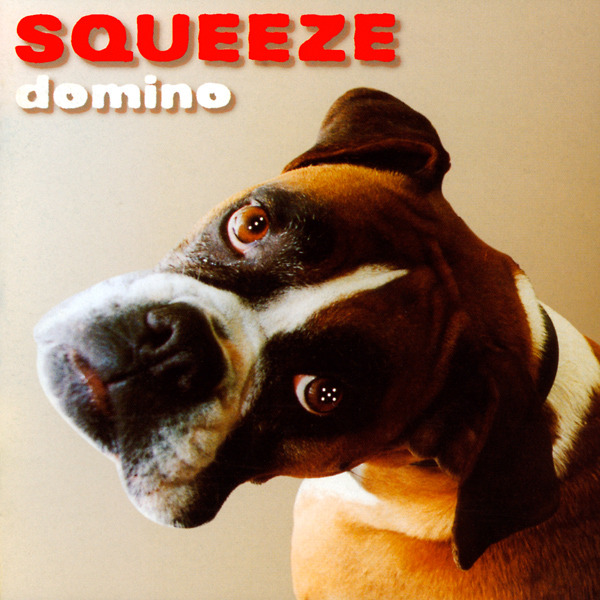
 View Artist