Song Meaning
The lyrics paint a vivid picture of a drug-induced experience, starting with a sense of grandiosity and control that quickly dissolves into overwhelming disorientation. The narrator initially embraces the drug as a "liberator of sin" and a "giver of delight," suggesting an escape or a powerful high. However, this quickly shifts to a feeling of being "ever so small" and unable to cope with their own thoughts, trapped in a cycle of "playing chess" and "keeping reports" on everything they perceive. This internal struggle, amplified by the drug, leads to a temporary delusion of power, first as an "emperor" and then as "Caesar of Rome," highlighting a fleeting, artificial sense of dominance.
The core tension lies in the narrator's loss of self and control amidst the psychedelic experience. The drug, initially sought for pleasure, becomes a force that collapses their reality, making them question their identity: "I would be you and you would be me." The feeling of being overwhelmed is palpable, described as an inability to "spin all the plates" and being lost in "personal games" within a "mind field." This descent into a chaotic internal landscape is the central conflict, where the external world and the narrator's own mind become indistinguishable and unmanageable.
The craft here is in the stark contrast between the initial perceived liberation and the subsequent existential collapse. The lyrics use powerful, almost mythic figures – "emperor," "Caesar" – to represent the peak of the narrator's distorted self-importance, only to have this grandeur crumble as the drug's effects intensify. The shift from "went out like a light" to the universe "caved in" and "legs fell away" creates a visceral sense of disintegration. The repetition of "I couldn't take it" underscores the overwhelming nature of the experience, a desperate plea against the internal chaos.
Ultimately, the effectiveness of these lyrics stems from their raw portrayal of a mind unraveling and the profound relief of returning to normalcy. The final line, "Thank God I woke up / To find you had come home," provides a powerful resolution, grounding the entire chaotic episode in the simple, comforting presence of another person. This contrast between the terrifying internal journey and the safe harbor of external reality makes the narrator's ordeal feel intensely personal and the relief deeply earned.
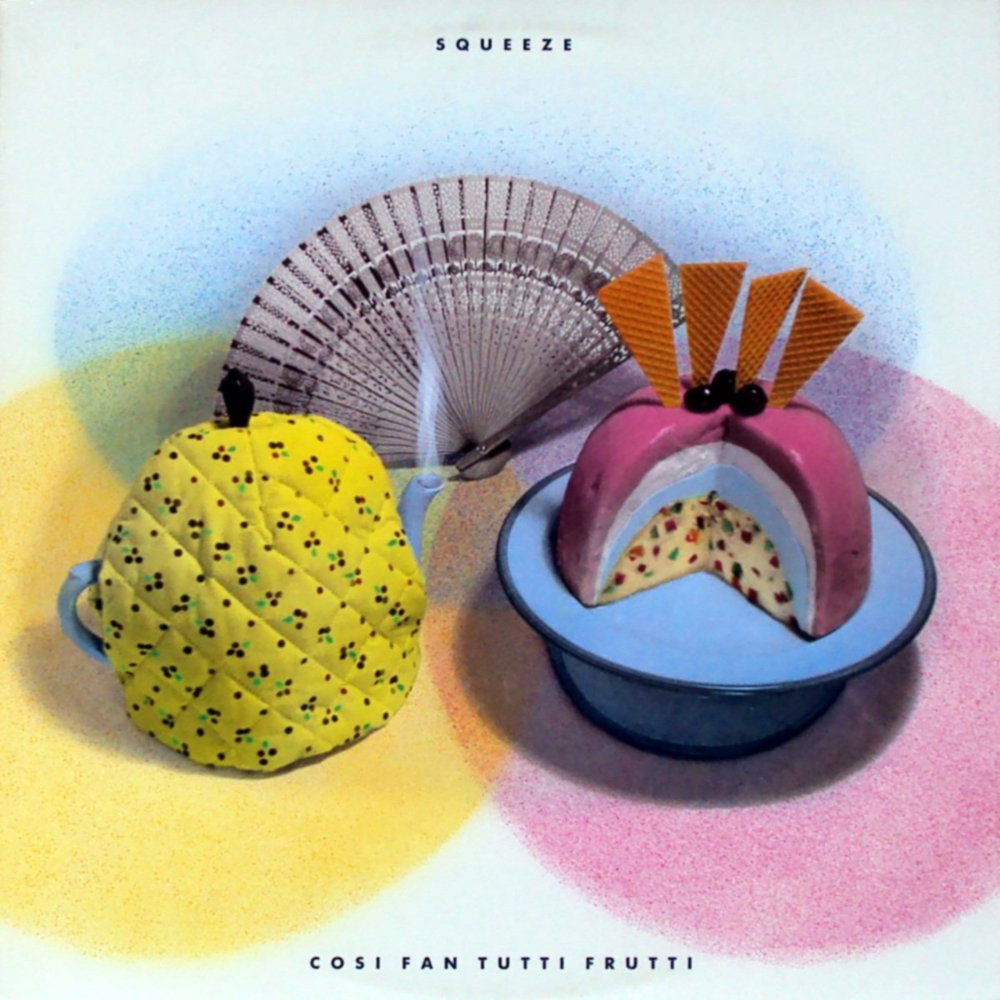
 View Artist