Song Meaning
The narrator is calling for a specific kind of night out, one steeped in tradition and a certain swagger. They want the "tight" (σφιχτή) and the "begleri" (μπεγλέρι) brought, along with the old music to dance a "zoriko chava" (ζόρικο χαβά), a phrase suggesting a tough, perhaps melancholic, but spirited mood. The desire is to drink and remember old follies, a nostalgic yet defiant act.
The core tension lies between a desire for present revelry and a longing for past experiences. The repeated call to "drink tonight" (θέλω απόψε να τα πιω) and "remember my old follies" (τις τρέλες τις παλιές μου / Λίγο να τις θυμηθώ) frames the night as an attempt to recapture something lost. This is amplified by the demand for the "dervish dance" (χορό τον ντερβισάτο), a ritualistic, whirling movement that suggests a trance-like state, a way to lose oneself in the moment and the memories.
The lyrics paint a vivid picture of this scene, mentioning a "polished stivali" (στιβάλι γυαλισμένο) and "loads of chrome and money" (Κάργα λάμες και λεφτά), juxtaposing the rough, perhaps even impoverished, setting with a display of bravado and style. The narrator wants to show the "cripples" (κουτσαβάκια) what "manliness" (μαγκιά) truly means, framing the dance and the drinking as acts of defiance and pride, a way to "celebrate" (να γλεντά) with a unique, almost rebellious spirit.
This is effective because it grounds a feeling of defiant nostalgia in concrete, evocative imagery. The specific requests for instruments and accessories, the mention of the dervish dance, and the desire to recall "old follies" create a potent atmosphere. The narrator isn't just asking to party; they're asking for a specific, almost performative, expression of a certain kind of life lived with intensity and a touch of recklessness, a "mortika, stegna" (μόρτικα, στεγνά) – stylishly, soberly, or perhaps starkly.
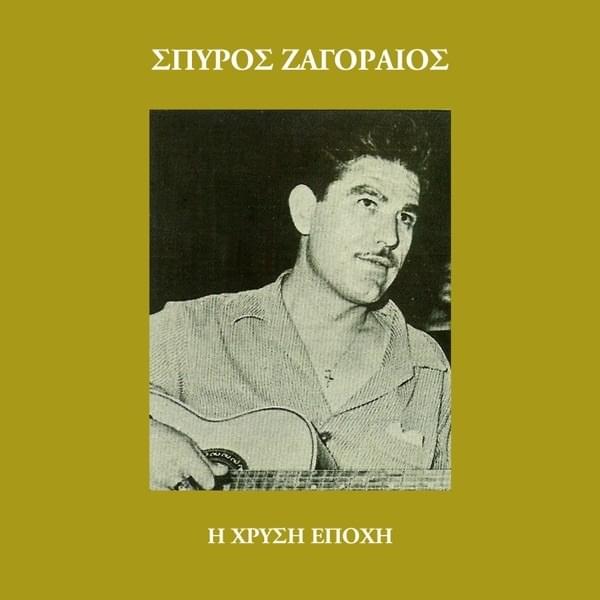
 View Artist