Song Meaning
The lyrics paint a picture of someone grappling with a profound identity crisis, feeling utterly lost and isolated. The opening lines, "Just leave me alone" and "I don't know who I am," immediately establish a tone of deep personal struggle. This initial despair is punctuated by the image of tears shed at dawn, suggesting a moment of raw, unvarnished pain that the narrator tries to rationalize as meaningful. The contrast between a past self who could laugh even when falling and the present self "standing up against" something unknown highlights the immense distance traveled and the internal battle being waged.
The central tension lies in the narrator's fight against a sense of being left behind, like a "Daydreamer." This feeling of abandonment fuels a deep-seated disbelief in their own capabilities, making simple encouragement feel insufficient. Yet, the lyrics reveal a persistent, almost stubborn refusal to give up. The repeated assertion, "I will," coupled with the idea of "踏ん張り続けた昨日" (yesterday that kept pushing forward), suggests that past resilience is fueling the present drive to reclaim what was lost.
The most striking craft element is the recurring motif of searching. Phrases like "それを探しにいこう" (let's go find it) appear multiple times, framing the entire narrative as a quest. This search is not for something external, but for an answer to "何があるんだろう" (what could be there) if the tears don't stop, and for the lost feeling of being able to "飛べるような気がした" (felt like I could fly). The lyrics cleverly link this forward momentum to the past, implying that the path to rediscovery is paved with memories of past potential and the courage to face uncertainty.
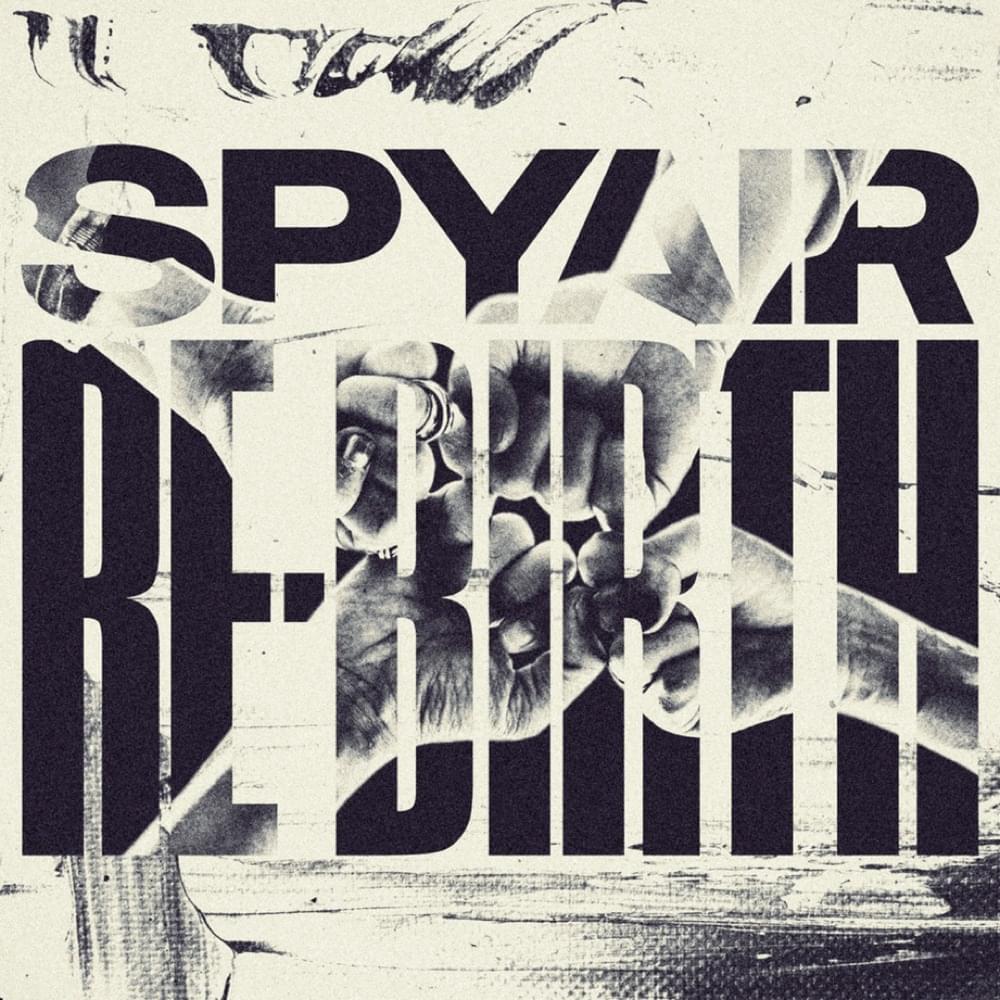
Ultimately, the effectiveness of these lyrics stems from their raw honesty about self-doubt and the quiet determination that emerges from it. The shift from "I am standing up" to "We are standing up again" is crucial, suggesting a communal aspect to this rebirth, perhaps finding strength in shared struggle or support. The final lines, "One more time, I'll be your light / ここで We can start again," offer a powerful resolution, moving from personal crisis to a hopeful, shared beginning, grounded in the acknowledgment of past pain and the will to overcome it.
 View Artist