Song Meaning
The lyrics open with a hesitant questioning of initial perceptions, suggesting that first impressions might be misleading. The narrator seems to be grappling with the idea that reality, or perhaps a person's true nature, is more complex than it appears on the surface. This sets up a core tension: the desire to be understood beyond superficial judgments versus the difficulty of conveying that deeper truth. The repeated phrases like "Vielleicht ist alles ja ganz anders" (Maybe everything is quite different) and "man kann's nicht auf dem ersten Blick gleich sehen" (you can't see it at first glance) emphasize this uncertainty and the need for a second look.
The central conflict emerges in the stark contrast presented in the refrain: "Ich bin ein Clown, Ich bin ein Held" (I am a clown, I am a hero). This juxtaposition isn't about being one or the other, but embodying both simultaneously. The narrator is asking the listener to look closer, implying that their identity is multifaceted, perhaps even contradictory. The phrase "Und alles, was mir gefällt" (And everything that I like) appended to this duality suggests that these seemingly opposing roles are not a source of distress, but rather integral parts of their self-expression and what brings them joy.
The most striking aspect of the craft is the deliberate ambiguity and the powerful, simple refrain. The repetition of "Ich bin ein Clown, Ich bin ein Held" hammers home the idea that these aren't mutually exclusive states. The lyrics suggest that the ability to be both foolish and brave, to entertain and to inspire, is what defines the narrator. The bridge, echoing "Alles, was mir gefällt," reinforces that this complex identity is not a burden but a source of genuine pleasure and self-acceptance, a state the narrator wishes the listener to recognize.
Ultimately, the effectiveness of these lyrics lies in their directness and their invitation to reconsider judgment. By presenting a seemingly paradoxical self-description and urging the listener to "schau mich an" (look at me), the narrator creates an emotional resonance. It speaks to the universal human experience of holding multiple, sometimes conflicting, aspects of oneself, and the quiet triumph of embracing that complexity as a source of personal satisfaction and appeal.
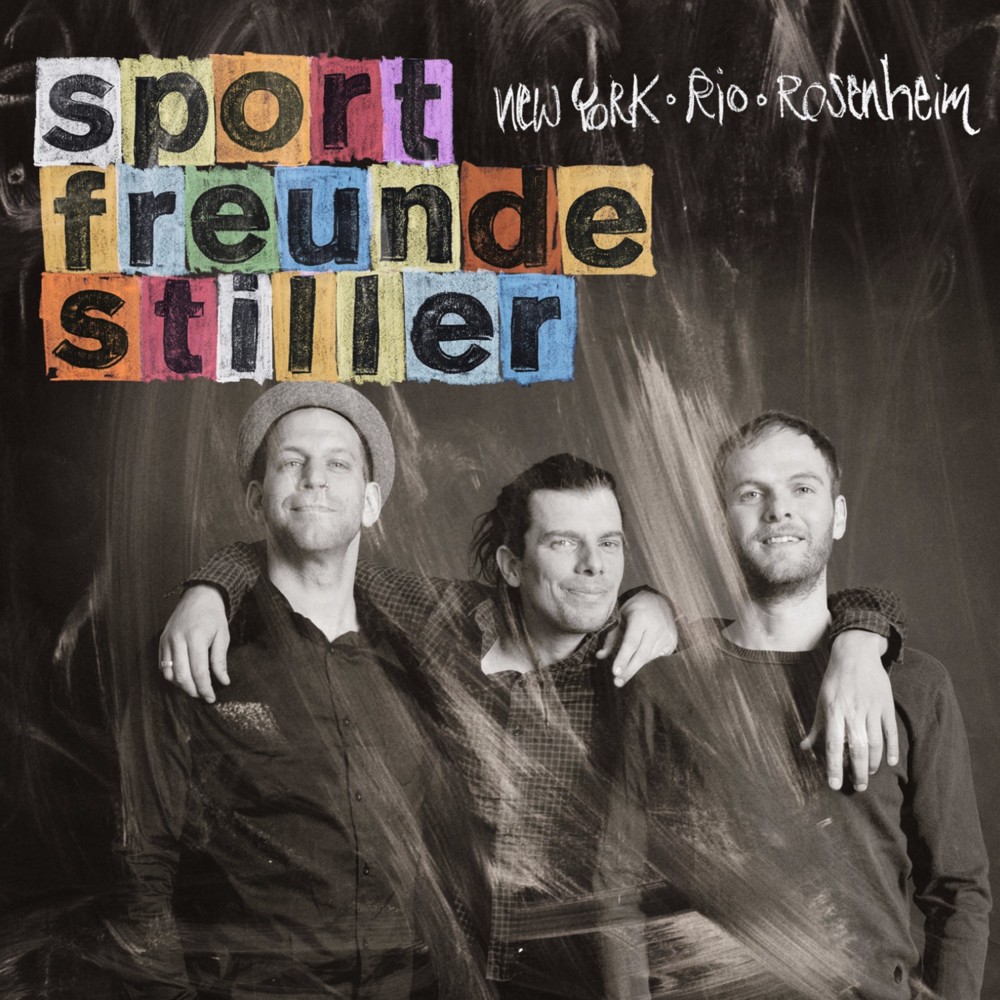
 View Artist