Song Meaning
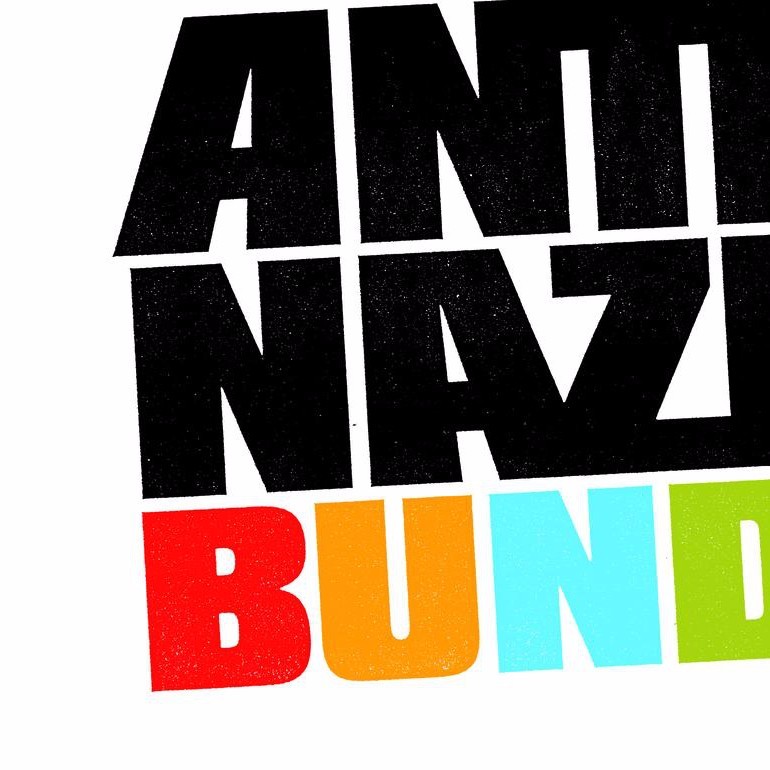
The lyrics paint a picture of a diverse collective, the "ANTINAZIBUND," united against a shared enemy. The opening stanza immediately establishes this broad scope, listing a wide array of individuals: "Trendsetter, Styler und Langeweiler," "Hiphopper, Postrocker und Abseiler," and even contrasting groups like "Rentner und Schüler, Väter und Mütter." This deliberate juxtaposition highlights that the movement transcends typical social, cultural, or age divides, suggesting a fundamental human solidarity at its core. The repeated phrase "Wir schau'n uns an, reichen uns die Hand" reinforces this idea of connection and mutual recognition across differences.
The central tension arises from the need to actively combat "Gedächtnisschwund" (memory loss) and "Stumpfsinn" (obtuseness or apathy), framing the "ANTINAZIBUND" as a force for conscious resistance. The name itself, "ANTINAZIBUND," is a direct declaration of opposition, but the lyrics focus on the positive act of coming together. The chorus expands the roster of members, adding "Musketen und Propheten, Akkordarbeiter" and "Studenten, Angestellte, Abteilungsleiter," further emphasizing the eclectic nature of this alliance. The recurring line "Der Kreis wird weiter, die Brust wird breiter" suggests growth and an expanding sense of collective strength and purpose.
The most striking aspect of the craft is the sheer inclusivity and the almost defiant embrace of disparate identities. The narrator explicitly invites anyone missed: "Und falls ich noch jemanden vergessen habe / Ihr seid Herzlich Willkomm'n." This open-ended invitation, coupled with the act of "Tragen den Stumpfsinn zu Grabe," positions the group not just as an anti-force, but as a proactive entity dedicated to fostering awareness and collective spirit. The outro's repetition of "Der Geist wird weiter, die Brust wird breiter / Herz ist Trumph" solidifies the emotional core: a resilient, expanding consciousness fueled by empathy and courage.
Ultimately, the effectiveness of these lyrics lies in their direct, unpretentious call to unity. By cataloging such a broad spectrum of people and explicitly welcoming all, the song creates a powerful sense of shared purpose. It’s not about a specific ideology beyond the opposition to Nazism and apathy, but about the act of coming together, extending a hand, and strengthening the collective spirit against ignorance and division. The message is clear: strength is found in diversity and mutual support.
 View Artist