Song Meaning
The narrator finds a strange peace within the confines of a "sanitarium," a place that has become their new home. The initial imagery of staring into the "burning sun" and the world fading to black suggests a deliberate withdrawal from reality, a conscious choice to disconnect. This isn't necessarily a place of suffering, but a refuge where the narrator feels they "belong."
The core tension lies in the narrator's perceived state of mind versus external perception. They claim "I ain't lost my mind," but the context of the "sanitarium" and friends not visiting implies a profound detachment. The line "I've just given up on the past" is key, indicating a voluntary surrender rather than an involuntary descent into madness. The "new friends" are likely not people, but rather the symptoms or the environment itself.
The most striking craft element is the redefinition of "home" and "friends." The sanitarium, typically a place of confinement or treatment for mental illness, is reframed as a place of belonging and arrival. The repetition of "It all fades to black in this sanitarium" reinforces the immersive and all-encompassing nature of this chosen state. The shift from "burning sun" to "setting sun" subtly marks a transition, perhaps from an intense, painful engagement with reality to a more passive, accepting state.
This piece hits hard because it subverts expectations of what it means to be "lost" or "found." The narrator's declaration of having "made it home" in such an unconventional setting creates a disquieting sense of resolution. It's the quiet acceptance of a self-imposed exile, where the absence of external validation becomes a form of liberation, and the "crazy" is simply a different way of being.
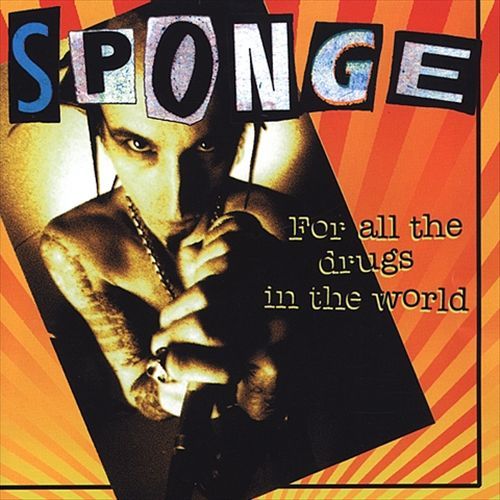
 View Artist