Song Meaning
The lyrics paint a picture of someone who has acquired a desired person, but the victory feels hollow, tinged with regret. The opening lines establish a sense of missed opportunity, lamenting a forgotten "first kiss" that, in retrospect, was "right." This sets up a central tension: the narrator possesses someone they clearly wanted, yet the acquisition is overshadowed by what might have been, a past moment of genuine connection that now feels lost. The repeated phrase "now you're mine" becomes less a triumphant declaration and more a desperate assertion against a growing unease.
The core conflict lies in the contrast between present possession and past regret. The narrator claims ownership, stating "now you're mine" multiple times, yet simultaneously admits to missing crucial early moments like the "first kiss" and the "first glance." This suggests the relationship, while secured, lacks the foundational magic the narrator now craves or perhaps overlooked in their pursuit. The line "I'm running out of time" amplifies this anxiety, implying a fear that the window for genuine connection or perhaps even the relationship itself is closing.
The most striking aspect of the writing is the way it weaponizes the idea of "ignorance is bliss." Initially, this might seem like a simple statement about not knowing better, but here it's tied directly to the missed "first kiss." The narrator seems to be saying that in their initial unawareness, they missed the very moment that would have cemented a deeper, more authentic connection. Now, with full awareness of what was missed, the bliss of ignorance is gone, replaced by the pain of knowing. The repetition of "You break me up inside" further underscores this internal turmoil, a direct consequence of this retrospective realization.
Ultimately, these lyrics resonate because they capture a specific, relatable human experience: the bittersweet realization that achieving a goal doesn't always bring the expected satisfaction. The craft here is in the subtle subversion of a celebratory theme. Instead of a straightforward declaration of love or possession, the narrator is consumed by what was lost, making the present claim of ownership feel fragile and tinged with a profound sense of loss. The repeated "now you're mine" becomes a mantra against the gnawing fear that the most important parts were never truly captured.
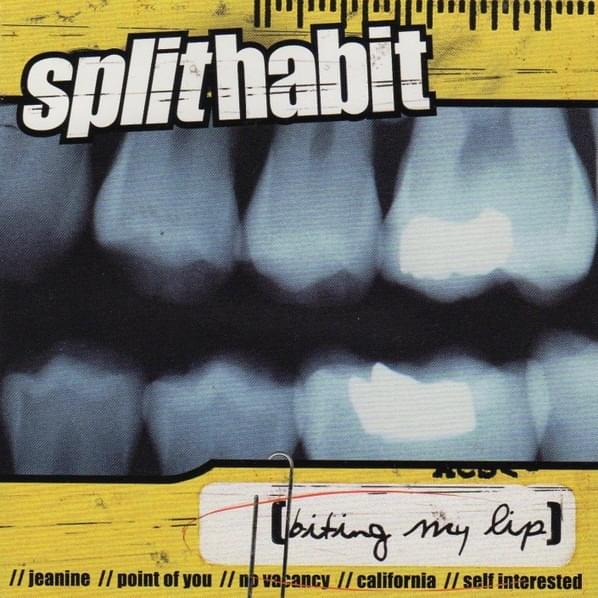
 View Artist