Song Meaning
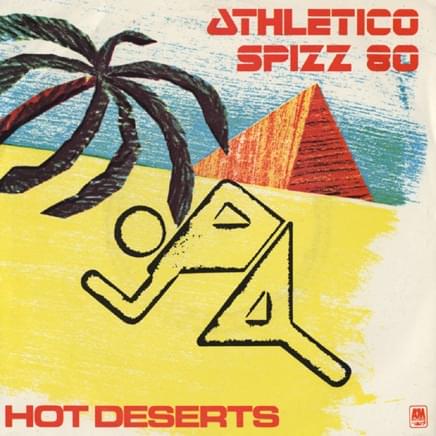
The lyrics paint a stark, repetitive picture of a desert landscape, emphasizing its vastness and the presence of foreign elements. The immediate impression is one of heat and arid expanse, punctuated by the recurring image of "camels, camels everywhere." This repetition creates a sense of overwhelming, almost monotonous, environmental reality. The question "(Where?)" acts as a constant anchor, always returning the listener to the titular "hot deserts."
The central tension seems to arise from the juxtaposition of the static, unchanging desert environment with human activity and conflict. While the sand stretches for "miles and miles," suggesting timelessness, the lyrics introduce a jarring element: "Arabs fight at night." This conflict, specifically for "Turkish delight," feels incongruous and perhaps even absurd against the backdrop of the immense, natural setting. The lyrics suggest a clash between the primal environment and localized, almost petty, human struggles.
The most striking aspect of the craft is the relentless repetition and the inclusion of parenthetical asides that introduce contradictory sensory details. The constant return to "hot deserts" and "camels" drills the setting into the listener's mind. Then, the parentheticals offer "a hundred degrees" alongside "almost freeze," and the narrator's assertion, "I tell you I believe everything I see," introduces a layer of unreliability or perhaps a desperate attempt to make sense of conflicting perceptions. This creates a disorienting effect, questioning the very nature of what is being observed.
This lyrical construction is effective because it bypasses complex narrative for a visceral, almost hypnotic, evocation of place and a subtle undercurrent of human strangeness within it. The simplicity of the language and the insistent rhythm make the desert feel both real and dreamlike. The introduction of conflict and contradictory sensory input prevents the scene from becoming purely descriptive, instead hinting at a deeper, more unsettling reality beneath the surface of the arid land.
 View Artist