Song Meaning
The lyrics paint a stark picture of someone caught in a destructive relationship, seemingly blinded by their devotion to another. The opening lines immediately establish a pattern of taking and making mistakes, suggesting a cycle of harm. The narrator observes this behavior with a mix of pity and perhaps exasperation, noting the subject's willingness to "play the fool" for someone else, a role adopted with "disgust."
The central tension lies between the subject's desperate hope for a better future, their "dream of tomorrow," and the narrator's contrasting arrival "without sorrow." This juxtaposition highlights the subject's current state of emotional distress, a state the narrator seems to have bypassed or overcome. The repeated refrain of "Hello Misery, Hello Darkness too, Hello Sorrow" acts as a direct, almost resigned, address to these negative states, suggesting they are familiar companions.
The writing cleverly uses repetition and direct address to emphasize the inescapable nature of the subject's predicament. Phrases like "you know, you know" underscore a deep, perhaps unacknowledged, awareness of their situation. The questions posed later – "Is it really turned in stone / That you wind up alone" – reveal a struggle with fate and the fear of ultimate isolation, a fear that seems to be a direct consequence of their current choices.
Ultimately, the effectiveness of these lyrics stems from their unflinching portrayal of self-deception and emotional entanglement. The narrator's detached yet pointed observations, coupled with the stark personification of negative emotions, create a powerful sense of unease. It's the quiet acknowledgment of a painful reality that the subject is actively avoiding, making the repeated greetings to sorrow feel less like an embrace and more like a grim inevitability.
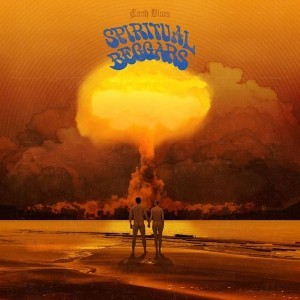
 View Artist