Song Meaning
The lyrics paint a picture of someone grappling with a persistent, perhaps naive, idealism that has led to repeated disappointment. The repeated address to a "Dreamer" suggests a self-identification with this state, but it's tinged with regret. The opening lines, "Like a fool I thought / That I could be," immediately establish a sense of misplaced hope and a dawning realization of folly.
The central tension lies in the narrator's struggle between their inherent nature as a "dreamer" and the harsh realities that have followed. There's a poignant plea for understanding: "Surely someone / Will understand me." This desire for validation clashes with the feeling of having "said too much" and "wasting time," indicating a communication breakdown or a realization that their dreams are not easily shared or accepted.
The imagery of being "Down the wrong way on a one way street" is particularly striking, capturing the feeling of being trapped in a self-defeating cycle. Despite the passage of time, the narrator admits, "I've only learned to repent," suggesting that their attempts to navigate life have been misguided, leading only to regret rather than growth. The phrase "You are the absence of my mind" is a profound expression of how this dreamer state has perhaps led to a disconnect from practical reality or a significant loss.
Ultimately, the effectiveness of these lyrics stems from their raw vulnerability and the unflinching self-examination. The narrator doesn't shy away from the pain of their idealism, acknowledging the foolishness and the isolation it has brought. The final declaration, "All of my life / I've been a dreamer," feels less like a proud statement and more like a resigned acceptance of a fundamental, perhaps burdensome, aspect of their identity.
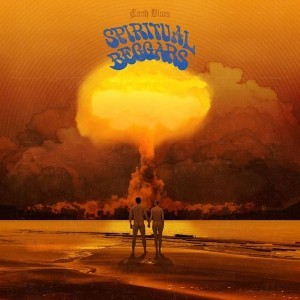
 View Artist