Song Meaning
This track paints a vivid picture of a disastrous album launch party, where a performer’s onstage blunder overshadows their big night. The scene is set on a Thursday, with a crowd gathered for a "newly pressed pop record" that quickly goes south. The narrator observes the "faithful" experiencing "the bends," suggesting a collective disappointment or discomfort, and notes a specific "fielding error on the call" that led to a poor song choice, ruining the moment. The initial impulse is clear: "I wanted to hate you," a sentiment that seems to be the narrator’s default reaction to perceived failure.
The core tension lies in the performer’s public unraveling versus the narrator’s evolving perception. The lyrics detail the performer’s perceived failings: "rude, so impolite," a "little man of smallish frame" seemingly overwhelmed by their "pop band name," with "table manners left behind." This critical observation of the performer’s character and presentation is juxtaposed with the unexpected power of their voice. The narrator’s desire to hate is challenged, suggesting a complex emotional response that moves beyond simple judgment.
The most striking craft element is the stark contrast between the performer’s awkward public persona and the redeeming quality of their "voice." The lyrics explicitly state, "When I heard your voice / I could ignore your face," highlighting how vocal talent can transcend visual or behavioral shortcomings. This is further emphasized by the repeated, almost taunting refrain, "Let the ass bray / Make the punters pay," which seems to shift from a critique of the performer to a cynical observation of the music industry itself, where even a flawed performance can still be profitable.
Ultimately, the effectiveness of these lyrics stems from their specific, almost petty, observations that build to a broader commentary. The narrator’s initial desire to "hate" is a relatable, human reaction to witnessing a public failure. However, the unexpected turn towards appreciating the performer’s voice, and the subsequent cynical embrace of the industry’s transactional nature, creates a nuanced and memorable portrait of artistic ambition meeting harsh reality. The repeated "Let the ass bray" becomes a defiant, almost resigned, acceptance of the spectacle.
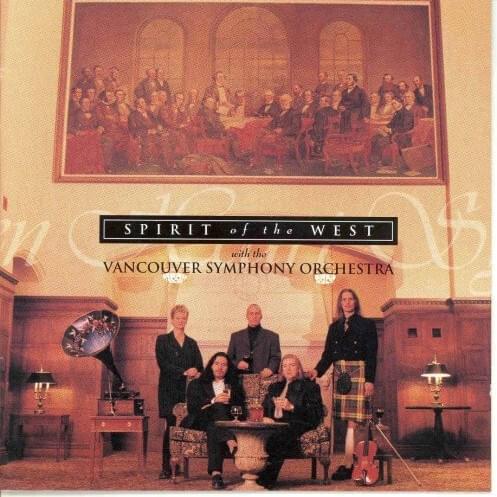
 View Artist